
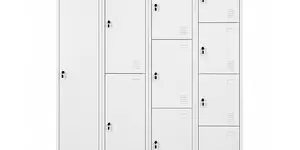


BST Tools Cabinets: Organize Your Workspace with Style and Efficiency
Premium Steel Tool Cabinets & Heavy-Duty Storage Solutions
Maximize your workspace efficiency with our industrial-grade steel tool cabinets. As a professional steel furniture manufacturer, we engineer our tool storage solutions to withstand the toughest environments—from commercial garages to heavy-duty industrial workshops. Crafted from high-quality cold-rolled steel, our cabinets feature high-capacity ball-bearing drawers, anti-rust powder coating, and advanced central locking systems to keep your valuable equipment secure. Explore our versatile range below or contact us for factory-direct custom (OEM/ODM) orders.
PRODUCTS
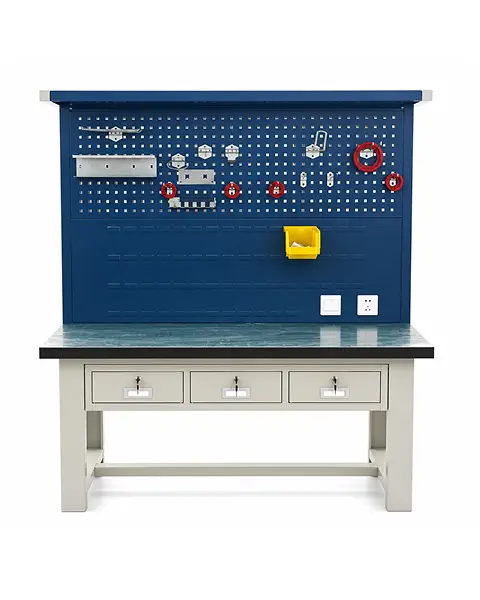
Our Tools Cabinet Product Line
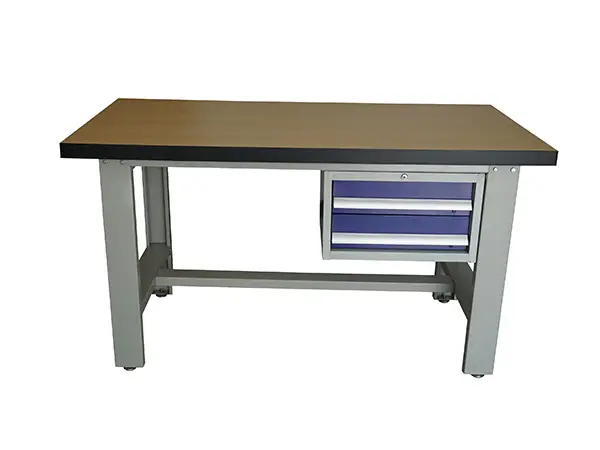
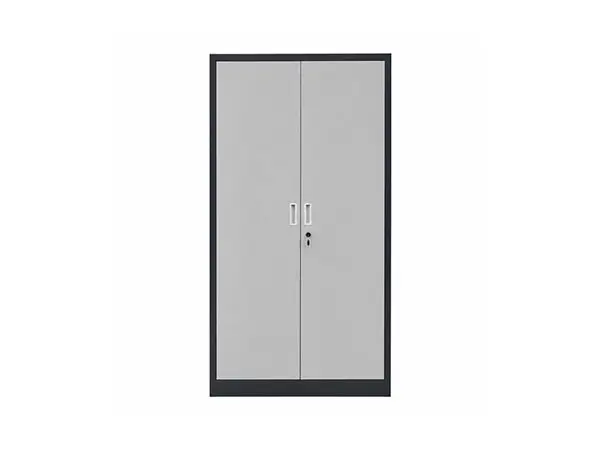
Browse through our popular tools cabinet models. Each piece is crafted with precision and tested for durability, ensuring long-lasting performance.

Choosing a Tools Cabinet: Factors to Consider
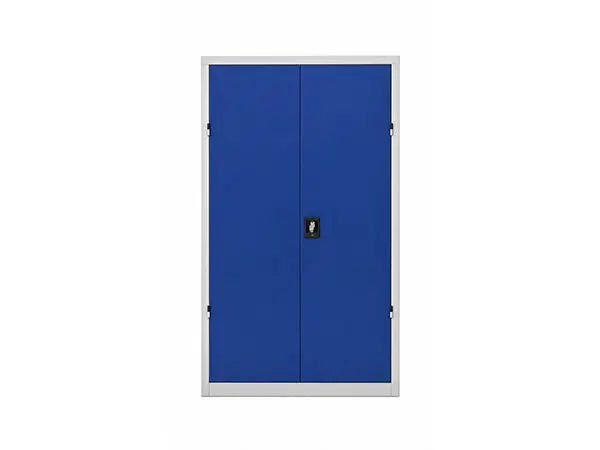
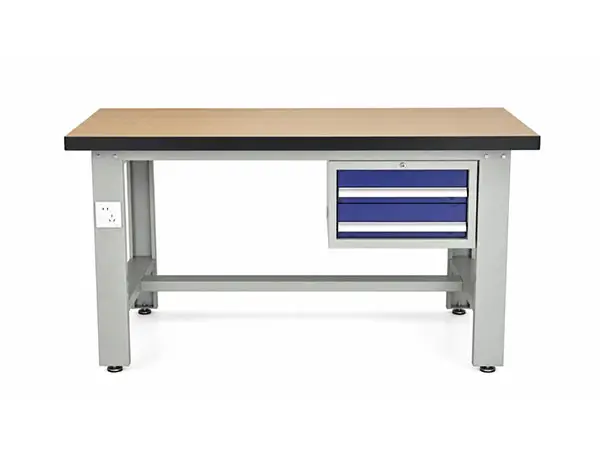
A suitable tools cabinet should match the user's storage requirements, available workspace, tool sizes, and daily working conditions. Buyers should also consider factors such as load capacity, drawer configuration, material quality, locking options, and mobility before making a purchasing decision.
CONTACT US
Need Help?
Our tools cabinets are widely used in various industries, and customization is supported!
FAQ
Tools Cabinet FAQs
What Is a Tools Cabinet?
A Tools Cabinet is a heavy-duty metal storage unit designed with multiple drawers, compartments, and/or shelves for organizing hand tools, power tools, measuring instruments, fasteners, accessories, and other workshop equipment efficiently. Unlike traditional tool chests, open tool racks, or standard storage cabinets, tools cabinets provide dedicated storage positions for each tool with high-load-capacity drawer slides, enabling quick and convenient access while maximizing space utilization and keeping workshops clean, organized, and safe.
Tools cabinets are widely used across various industrial and technical settings—including manufacturing workshops, automotive repair garages, aviation maintenance stations, equipment maintenance departments, laboratories, construction sites, and warehousing facilities. With customizable drawer configurations, heavy-duty ball-bearing slides, durable steel construction, and ergonomic designs, modern tools cabinets help professionals improve tool management efficiency, significantly reduce time spent searching for tools, and create safer, more productive, and more professional work environments.
Tools cabinets are widely used across various industrial and technical settings—including manufacturing workshops, automotive repair garages, aviation maintenance stations, equipment maintenance departments, laboratories, construction sites, and warehousing facilities. With customizable drawer configurations, heavy-duty ball-bearing slides, durable steel construction, and ergonomic designs, modern tools cabinets help professionals improve tool management efficiency, significantly reduce time spent searching for tools, and create safer, more productive, and more professional work environments.
What Are the Main Advantages of Tools Cabinets?
The key advantages of tools cabinets include:
High Load Capacity: Equipped with heavy-duty ball-bearing slides and reinforced drawer construction, tools cabinets support heavy tools and equipment with ease—significantly more than standard storage cabinets.
Efficient Organization: Multiple drawers with adjustable dividers allow users to categorize tools by type, size, or frequency of use—making it easy to find the right tool instantly.
Time Savings: With every tool in its designated place, workers spend less time searching for tools and more time on productive tasks—improving overall workflow efficiency.
Enhanced Security: Central locking systems or individual drawer locks protect valuable tools from theft and unauthorized access.
Protection for Tools: Enclosed drawers protect tools from dust, dirt, moisture, and accidental damage—extending tool life and maintaining accuracy.
Space Efficiency: Vertical, compact designs with multiple drawers maximize storage capacity in minimal floor space—ideal for workshops and garages with limited area.
Durability: Steel construction with powder-coated finishes resists impacts, scratches, and corrosion—ensuring long-lasting performance in demanding industrial environments.
Ergonomic Access: Full-extension drawer slides allow complete access to drawer contents, eliminating the need to reach into deep, dark compartments.
Portability Options: Many models feature heavy-duty casters for easy mobility, allowing users to move the entire tool inventory directly to the work area.
Customizable: Available in various sizes, drawer configurations, load capacities, colors, and locking systems to suit specific workshop needs.
How Long Does a Tools Cabinet Last?
The lifespan of a tools cabinet depends on materials, construction quality, usage intensity, environmental conditions, and maintenance practices:
All-Steel Heavy-Duty Tools Cabinets: With robust steel construction, powder-coated finishes, and proper maintenance, these can last 15 to 20 years or longer in industrial environments.
Premium Industrial-Grade Units: Built for demanding workshop and factory environments, these cabinets typically last 20 to 25 years with proper care.
Key Factors Affecting Longevity: Steel gauge and construction quality, drawer slide quality, environmental conditions, frequency and intensity of use, and maintenance practices.
Maintenance Tips: Regularly lubricate drawer slides, check and tighten any loose fasteners, clean the cabinet with a mild detergent, promptly touch up any coating damage to prevent rust, avoid overloading drawers beyond rated capacity, and periodically inspect locks and hinges for proper function.
What Materials Are Used to Manufacture Tools Cabinets?
Tools cabinets are manufactured using high-quality, heavy-duty materials to ensure durability, load capacity, and longevity:
Cold-Rolled Steel: The most common material for tools cabinets, cold-rolled steel offers excellent structural strength, impact resistance, and durability. It provides a stable foundation that maintains its shape even under heavy loads and frequent drawer operations.
Stainless Steel: Used for tools cabinets requiring superior corrosion resistance—ideal for food processing facilities, pharmaceutical environments, marine applications, and high-humidity areas.
Hardware Materials: Drawer slides are manufactured from high-strength steel with ball-bearing mechanisms for smooth operation and high load capacity. Handles, locks, fasteners, and central locking systems are made from steel, zinc alloy, or stainless steel for long-lasting performance and security.
Surface Finishes: Electrostatic powder coating provides a durable, rust-resistant, scratch-resistant, and oil-resistant finish in various colors. Some industrial models feature textured or anti-slip coatings for enhanced durability in demanding environments.
What Is the Load Capacity of a Tools Cabinet?
The load capacity of a tools cabinet varies by model, materials, and drawer slide specifications:
Per Drawer: Standard tools cabinet drawers typically support between 30kg to 70kg with standard slides. Heavy-duty industrial models with reinforced slides can support 80kg to 100kg or more per drawer.
Total Cabinet Capacity: Overall load capacity depends on the number of drawers and construction quality. Standard tools cabinets typically support total loads of 100kg to 300kg, while heavy-duty models can support 400kg to 700kg or more.
Factors Affecting Capacity: Load capacity is influenced by steel gauge, drawer slide quality and type, drawer construction, and overall cabinet design.
How Are Tools Cabinets Manufactured?
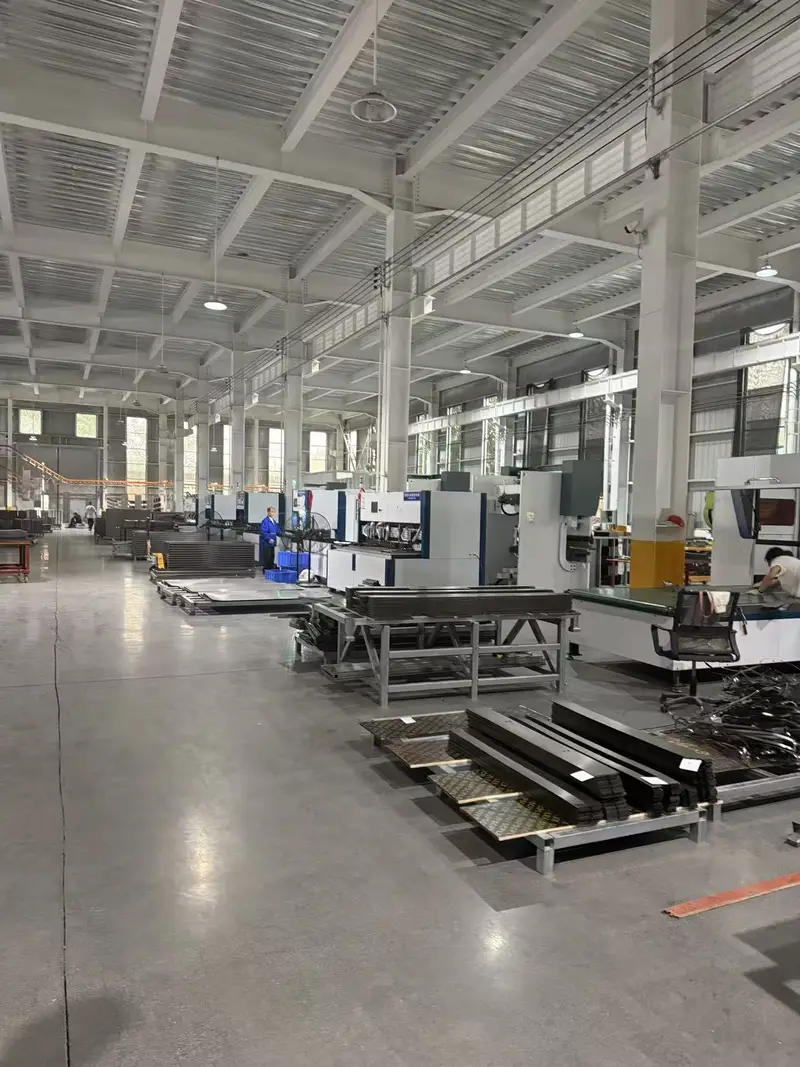
The manufacturing of tools cabinets is a precise multi-stage process designed to ensure durability, reliability, and smooth operation. Below is the complete production workflow:
1. Raw Material Selection and Quality Inspection
High-quality cold-rolled steel sheets are selected and inspected for thickness consistency, flatness, and surface quality to ensure compliance with standards.
2. Steel Sheet Cutting and Blanking
High-precision laser cutting machines or hydraulic shears accurately cut steel sheets into required component blanks—cabinet bodies, drawer fronts, drawer sides, backs, dividers, and supporting panels.
3. CNC Punching and Hole Processing
CNC turret punch presses precisely create drawer slide mounting holes, handle mounting holes, lock mounting holes, divider slots, and various assembly holes with high precision and consistency.
4. Sheet Metal Bending and Forming
CNC press brakes form flat steel sheets into cabinet frames, drawer bodies, drawer fronts, reinforcing channels, and other structural components.
5. Welding and Structural Assembly
Spot welding, CO₂ gas-shielded welding, or TIG welding processes securely join components into complete cabinet frames and drawer structures.
6. Surface Preparation and Cleaning
Semi-finished products undergo degreasing, rinsing, pickling, and phosphating treatments to remove surface oils, rust, and oxidation layers.
7. Powder Coating and Surface Finishing
Electrostatic powder coating is applied, followed by high-temperature curing to form a durable, rust-resistant, scratch-resistant finish in various colors.
8. Drawer Assembly and Hardware Installation
Heavy-duty ball-bearing drawer slides, handles, locks, central locking systems, and dividers are installed. For mobile models, industrial-grade casters are also mounted.
9. Quality Inspection and Performance Testing
Every batch undergoes rigorous testing: drawer load capacity tests, slide durability tests, structural stability tests, lock security tests, coating adhesion and salt spray corrosion tests, and dimensional inspections.
10. Packaging and Delivery
Products are thoroughly cleaned and professionally packaged with protective materials to prevent damage during transport, ensuring on-time delivery.