
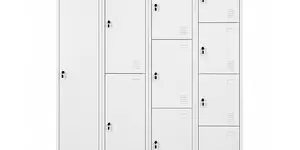


BST Steel Beds - Durable, Reliable, and Versatile
Commercial & Institutional Use of
High-Quality Steel Beds
High-Quality Steel Beds
Discover our premium range of heavy-duty steel beds, designed for maximum durability, safety, and space efficiency. Manufactured with high-grade cold-rolled steel and an eco-friendly powder-coated finish, our metal beds are rust-resistant and built to last. Ideal for school dormitories, staff quarters, hostels, and military barracks. We offer single beds, bunk beds, and customizable options to meet your bulk procurement needs with direct-factory prices.
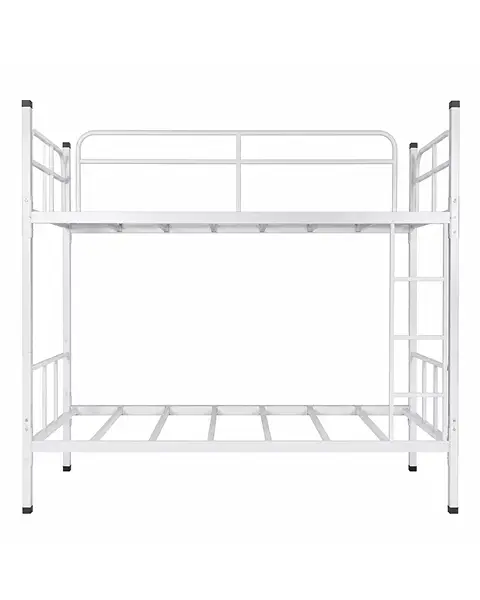

Steel Bed Maintenance: How to Keep Your Steel Bed in Top Condition
Regular maintenance can help keep a steel bed stable, clean, and durable by preventing unnecessary wear and identifying potential issues before they affect daily use.
CONTACT US
Need Help?
Our steel bed are widely used in various industries, and customization is supported!
FAQ
Steel Bed FAQs
What Is a Steel Bed?
A Steel Bed is a sleeping furniture piece constructed with a high-strength steel frame, designed to provide reliable support, exceptional durability, and lasting comfort. Unlike traditional wooden beds, steel beds offer superior structural strength, better load-bearing capacity, and enhanced resistance to warping, cracking, and pest damage. The steel frame construction ensures stability and eliminates the annoying squeaks often associated with wooden bed frames over time.
Steel beds come in various configurations to suit different sleeping needs and spaces—including platform beds, bunk beds, loft beds, canopy beds, folding beds, and beds with integrated under-bed storage. They are widely used across family bedrooms, student dormitories, apartments, hotel guest rooms, hospital wards, military barracks, and children's rooms. With diverse styles, sizes, and finish options, modern steel beds help users achieve restful sleep while creating safe, comfortable, and durable sleeping environments.
Steel beds come in various configurations to suit different sleeping needs and spaces—including platform beds, bunk beds, loft beds, canopy beds, folding beds, and beds with integrated under-bed storage. They are widely used across family bedrooms, student dormitories, apartments, hotel guest rooms, hospital wards, military barracks, and children's rooms. With diverse styles, sizes, and finish options, modern steel beds help users achieve restful sleep while creating safe, comfortable, and durable sleeping environments.
What Are the Main Advantages of Steel Beds?
The key advantages of steel beds include:
Superior Strength and Stability: Steel frames provide exceptional load-bearing capacity and structural stability, ensuring the bed remains solid and wobble-free even after years of use.
Noise-Free Construction: Precision welding and secure fastening systems prevent squeaking and creaking—common issues with wooden bed frames over time.
Exceptional Durability: Steel beds resist cracking, warping, splitting, and pest damage, offering significantly longer service life than wooden alternatives.
Anti-Rust Protection: High-quality powder coating or galvanized finishes protect against rust and corrosion, even in humid environments.
Space Efficiency: Many steel bed designs incorporate under-bed clearance for storage or feature built-in drawers, maximizing bedroom space utilization.
Fire Resistance: Steel is naturally fire-resistant, providing an additional layer of safety compared to wooden beds.
Easy Maintenance: Powder-coated steel surfaces resist stains and scratches; routine cleaning requires only a damp cloth.
Versatility: Available in various styles—from minimalist platform beds to classic canopy designs—to suit any bedroom aesthetic.
Cost-Effective: Steel beds generally offer excellent value for money, combining long-lasting durability with affordable pricing.
Eco-Friendly: Steel is 100% recyclable, making steel beds an environmentally sustainable choice.
How Long Does a Steel Bed Last?
The lifespan of a steel bed depends on materials, construction quality, usage intensity, and maintenance practices:
All-Steel Heavy-Duty Beds: With robust steel construction, powder-coated finishes, and proper maintenance, these can last 15 to 20 years or longer, making them a long-term investment for any sleeping environment.
Industrial-Grade/Commercial-Use Beds: Built for demanding applications like hospitals, hotels, and military facilities, these typically last 15 to 25 years with proper care.
Key Factors Affecting Longevity: Steel gauge and frame construction quality, powder coating integrity, frequency of disassembly/assembly, environmental conditions, and regular maintenance.
Maintenance Tips: Regularly inspect bolts and fasteners for tightness, clean the frame with a damp cloth, promptly touch up any coating damage to prevent rust, and avoid overloading the bed beyond its rated capacity.
What Materials Are Used to Manufacture Steel Beds?
Steel beds are manufactured using a variety of high-quality materials to ensure durability, stability, and longevity:
Cold-Rolled Steel Tubing: The most common material for steel bed frames, cold-rolled steel tubing offers excellent structural strength, impact resistance, and durability. It maintains its shape even under heavy loads and provides a stable foundation that doesn't warp or crack over time.
Hot-Rolled Steel: Used for heavier-duty applications or larger bed frames, hot-rolled steel offers high strength and is often employed in industrial-grade or commercial-use steel beds.
Stainless Steel: Used for beds requiring superior corrosion resistance—ideal for medical facilities, marine environments, or outdoor applications.
Hardware Materials: Connecting components such as bolts, nuts, brackets, and fasteners are manufactured from high-strength steel alloys for long-lasting performance.
Surface Finishes: Electrostatic powder coating provides a durable, rust-resistant, scratch-resistant finish in various colors. Some models feature chrome-plated or galvanized finishes for enhanced corrosion protection.
Optional Materials: For bed panels or under-bed storage components, engineered wood is sometimes used.
What Is the Load Capacity of a Steel Bed?
The load capacity of a steel bed varies by model, materials used, and structural design:
Standard Single/Twin Steel Beds: Typically support up to 150kg to 250kg, suitable for average adult use.
Standard Double/Full Steel Beds: Generally support 200kg to 300kg, designed for two-person occupancy.
Heavy-Duty Steel Beds: Engineered for high-demand applications, these can support 300kg to 500kg or more.
Bunk Beds: Individual bunk beds typically support 100kg to 150kg per bunk, with total capacities depending on the design and materials.
Factors Affecting Capacity: Load capacity is influenced by steel tube thickness and diameter, frame design and number of support points, weld quality, and fastening systems.
How Are Steel Beds Manufactured?
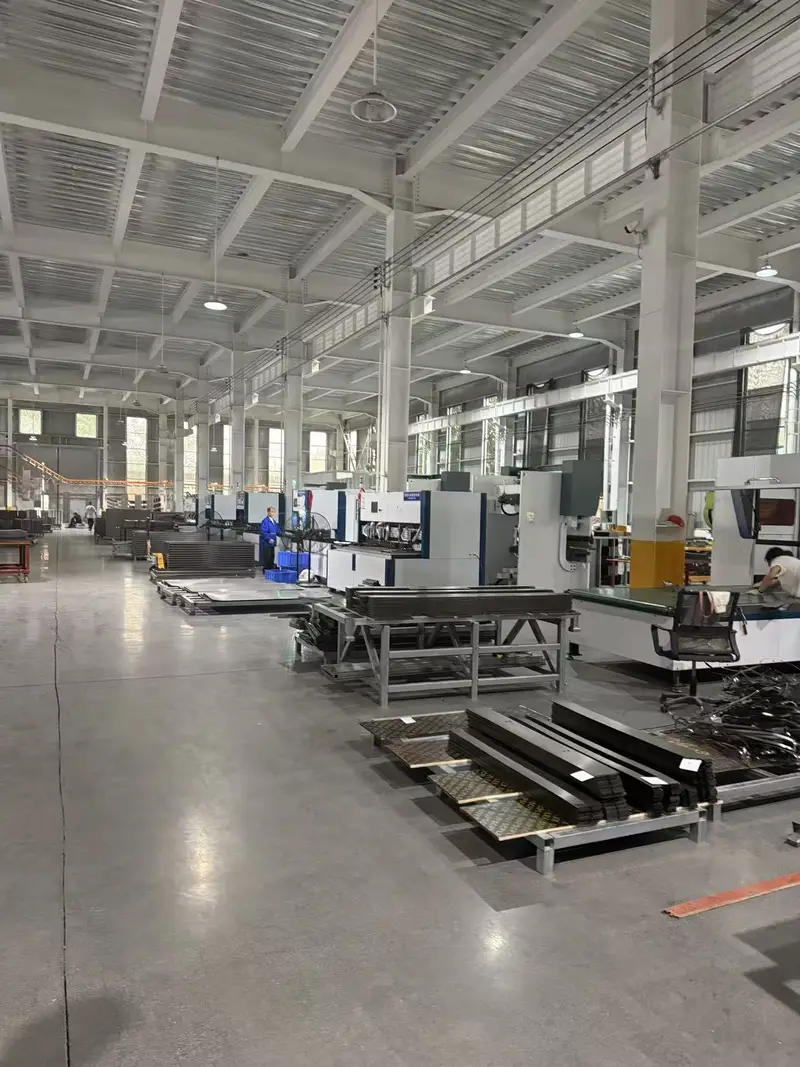
The manufacturing of steel beds is a precise multi-stage process designed to ensure durability, stability, and aesthetic appeal. Below is the complete production workflow:
1. Raw Material Selection and Quality Inspection
High-quality cold-rolled steel tubing or sheets are selected and inspected for material composition, tube diameter, wall thickness, and surface quality to ensure compliance with standards.
2. Steel Cutting and Blanking
High-precision laser cutting machines or circular/band saws accurately cut steel tubes or sheets into required component blanks—bed frame main beams, cross supports, bed legs, headboard frames, etc.
3. Punching and Hole Processing
Punch presses or hydraulic presses precisely create connecting holes, bed panel support holes, frame splicing holes, and various mounting holes with high precision and consistency.
4. Tube/Sheet Bending and Forming
CNC tube benders or press brakes form tubes/sheets into required curved headboards, bed leg arcs, and frame structural profiles.
5. Welding and Structural Assembly
Spot welding, CO₂ gas-shielded welding, or TIG welding processes securely join components into complete bed frame structures, headboards, and cross-support systems.
6. Surface Preparation and Cleaning
Semi-finished products undergo degreasing, rinsing, pickling, and phosphating treatments to remove surface oils, rust, and oxidation layers.
7. Powder Coating and Surface Finishing
Electrostatic powder coating is applied, followed by high-temperature curing to form a durable, rust-resistant, scratch-resistant finish in various colors.
8. Hardware Installation
Connectors, bed panel support strips, anti-slip silent foot pads, and fasteners are installed. For folding beds or beds with storage, folding mechanisms or drawer components are also added.
9. Quality Inspection and Performance Testing
Every batch undergoes rigorous testing: load capacity tests, structural stability tests, weld strength testing, coating adhesion and salt spray corrosion tests, and dimensional inspections.
10. Packaging and Delivery
Products are cleaned and professionally packaged with protective materials to prevent damage during transport, ensuring on-time delivery.