
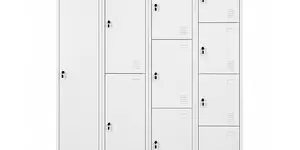


Movable Shelves - Optimize Your Space with BST
High-Density
Steel Movable Shelves
Steel Movable Shelves
Maximize your office and archive space with our premium steel movable shelves. Designed to eliminate unnecessary aisles, these high-density mobile storage systems can double your storage capacity within the same footprint. Manufactured with high-quality cold-rolled steel, they guarantee smooth operation, heavy-duty load capacity, and ultimate security for your files and equipment.
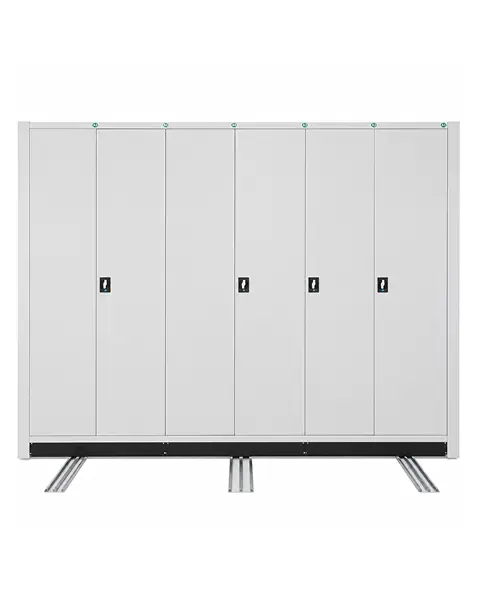

Types and Designs - Find the Perfect Fit for Your Space
Movable shelves are available in different sizes, structures, and configurations to suit changing storage needs and available spaces. From compact mobile units to larger multi-tier shelving systems, the right design can help users organize goods efficiently while maintaining flexibility in daily use.
CONTACT US
Need Help?
Our steel movable shelves are widely used in various industries, and customization is supported!
FAQ
Movable Shelf FAQs
What Is a Movable Shelf?
A Movable Shelf is a mobile storage unit equipped with heavy-duty casters, featuring multiple open tiers for organizing goods, materials, tools, merchandise, and other items efficiently. Unlike traditional fixed shelving, movable shelves offer the unique advantage of mobility—they can be easily repositioned to wherever they are needed most. This mobility, combined with their open shelving design, makes them ideal for dynamic work environments where flexibility and space optimization are essential.
Movable shelves are widely used across various settings—including warehouses, retail stores, workshops, logistics centers, supermarkets, offices, and commercial display spaces. They enable users to bring inventory and materials directly to the point of use, reducing unnecessary movement and improving workflow efficiency. With adjustable shelf heights, durable materials, and smooth-rolling casters, modern movable shelves help users maintain organization while adapting to changing operational needs.
Movable shelves are widely used across various settings—including warehouses, retail stores, workshops, logistics centers, supermarkets, offices, and commercial display spaces. They enable users to bring inventory and materials directly to the point of use, reducing unnecessary movement and improving workflow efficiency. With adjustable shelf heights, durable materials, and smooth-rolling casters, modern movable shelves help users maintain organization while adapting to changing operational needs.
What Are the Main Advantages of Movable Shelves?
The key advantages of movable shelves include:
Exceptional Mobility: Equipped with heavy-duty casters (swivel, locking, and fixed options), movable shelves can be easily transported to any location, bringing storage and organization directly to the point of use.
Space Optimization: Movable shelves can be repositioned as workspace layouts change—tucked away when not in use or rolled out for bulk storage or inventory access. This flexibility maximizes floor space utilization in dynamic environments.
Versatile Storage: With multiple adjustable tiers, movable shelves accommodate a wide range of items—from warehouse goods and retail merchandise to tools, parts, and office supplies.
Improved Workflow Efficiency: By eliminating unnecessary walking and searching, movable shelves bring frequently used items closer to workstations, packing areas, or assembly lines—boosting productivity.
Robust Construction: Built with high-strength steel and reinforced beams, movable shelves withstand heavy loads and frequent movement without compromising structural integrity.
Easy Access: The open shelving design allows items to be clearly visible and quickly retrievable without rummaging.
Low Maintenance: Steel construction with powder-coated finishes resists scratches, corrosion, and stains, requiring only simple cleaning.
Customizable: Available in various sizes, shelf configurations, load capacities, caster types, and colors to suit specific storage requirements and workspace aesthetics.
How Long Does a Movable Shelf Last?
The lifespan of a movable shelf depends on materials, construction quality, frequency of movement, and maintenance practices:
All-Steel Heavy-Duty Movable Shelves: With robust steel construction, powder-coated finishes, and proper maintenance, these can last 15 to 20 years or longer, even with regular movement.
Industrial-Grade Units: Built for demanding warehouse and workshop environments, these shelves typically last 15 to 25 years with proper care.
Caster Lifespan: Caster components typically have a shorter lifespan than the shelf structure, generally lasting 5 to 10 years depending on floor conditions, load weight, and frequency of movement. Regular inspection and periodic replacement of casters can significantly extend the useful life.
Key Factors Affecting Longevity: Steel thickness and frame construction quality, frequency and distance of movement, floor conditions, load weight and distribution, environmental conditions, and regular maintenance.
Maintenance Tips: Regularly inspect casters for wear, keep shelves clean, avoid overloading, and promptly touch up any coating damage to prevent rust.
What Materials Are Used to Manufacture Movable Shelves?
Movable shelves are manufactured using a variety of high-quality materials to ensure durability, stability, and mobility:
Cold-Rolled Steel: The most common material for heavy-duty movable shelves, cold-rolled steel offers excellent structural strength, impact resistance, and durability. It provides a stable foundation that maintains its shape even under heavy loads and frequent movement.
Galvanized Steel: Steel coated with a layer of zinc to provide superior corrosion resistance—ideal for environments where moisture or chemical exposure is a concern.
Stainless Steel: Used for shelves requiring the highest level of corrosion resistance—ideal for food processing, pharmaceutical, medical, and outdoor applications.
Aluminum: A lightweight yet strong alternative, aluminum is used in applications where weight reduction is important without sacrificing durability.
Hardware Materials: Casters are typically made from steel, polyurethane, rubber, or nylon, depending on the intended load capacity and floor surface. Connectors, clips, and fasteners are manufactured from metal alloys for long-lasting performance.
Surface Finishes: Electrostatic powder coating or anti-rust treatments are applied to metal shelves to enhance corrosion resistance, scratch resistance, and durability.
What Is the Load Capacity of a Movable Shelf?
The load capacity of a movable shelf varies by model, materials, construction, and caster specifications:
Per Shelf: Standard movable shelves typically support between 80kg to 200kg per tier. Heavy-duty industrial models can support up to 300kg to 500kg or more per shelf.
Total Shelf Capacity: Overall load capacity typically ranges from 300kg to over 1,500kg, depending on the number of shelves, frame construction, and materials.
Caster Load Capacity: The total weight capacity of a movable shelf is also limited by the casters. Each caster is rated for a specific load, and the total capacity is the sum of all casters' ratings. For example, four 150kg-rated casters provide a total capacity of approximately 400kg to 450kg.
Factors Affecting Capacity: Load capacity is influenced by steel thickness, beam and upright construction, shelf material and thickness, caster type and quality, and proper load distribution .
Dynamic vs. Static Load: Note that the load capacity when moving is typically lower than the capacity when stationary . Always refer to the manufacturer's specifications for both ratings.
How Are Movable Shelves Manufactured?
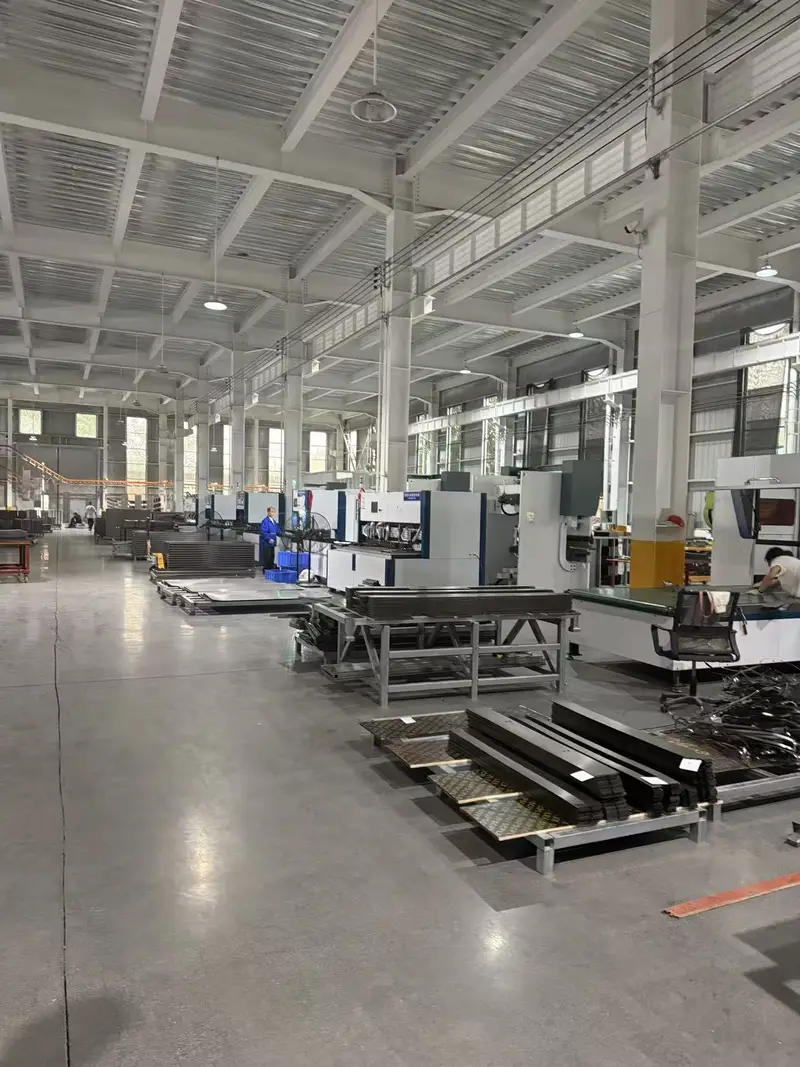
The manufacturing of movable shelves is a precise multi-stage process designed to ensure durability, reliability, and smooth mobility. Below is the complete production workflow:
1. Raw Material Selection and Quality Inspection
High-quality cold-rolled steel or galvanized steel sheets are selected and inspected for thickness consistency, flatness, and surface quality.
2. Steel Sheet Cutting and Blanking
High-precision laser cutting machines or hydraulic shears accurately cut steel sheets into required component blanks—uprights, beams, shelves, and panels.
3. CNC Punching and Hole Processing
CNC punch presses precisely create upright connecting holes, beam clip slots, shelf adjustment holes, caster mounting holes, and other hardware mounting holes with high precision and consistency.
4. Sheet Metal Bending and Forming
CNC press brakes form flat steel sheets into C-channel, U-channel, or Z-profile structural shapes—creating uprights, beams, shelf reinforcements, and other components.
5. Welding and Structural Assembly
Spot welding, CO₂ gas-shielded welding, or TIG welding processes securely join components into complete upright frames, beam assemblies, and shelf units.
6. Surface Preparation and Cleaning
Semi-finished products undergo degreasing, rinsing, pickling, and phosphating treatments to remove surface oils, rust, and oxidation layers.
7. Powder Coating and Surface Finishing
Electrostatic powder coating is applied, followed by high-temperature curing to form a durable, rust-resistant, scratch-resistant finish in various colors.
8. Hardware and Caster Installation
High-quality beam connectors, shelf clips, and anti-slip pads are installed. For movable shelves, industrial-grade casters—including swivel casters, locking casters, and fixed casters—are mounted to ensure smooth movement and reliable braking.
9. Quality Inspection and Performance Testing
Every batch undergoes rigorous testing: load capacity tests, structural stability tests, caster mobility and braking tests, coating adhesion and salt spray corrosion tests, and dimensional inspections.
10. Packaging and Delivery
Products are thoroughly cleaned and professionally packaged with protective materials to prevent damage during transport, ensuring on-time delivery.