

House Hold Cabinets - Stylish Storage Solutions by BST
Modern
Steel Household Cabinets
Steel Household Cabinets
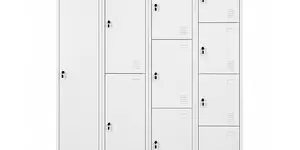
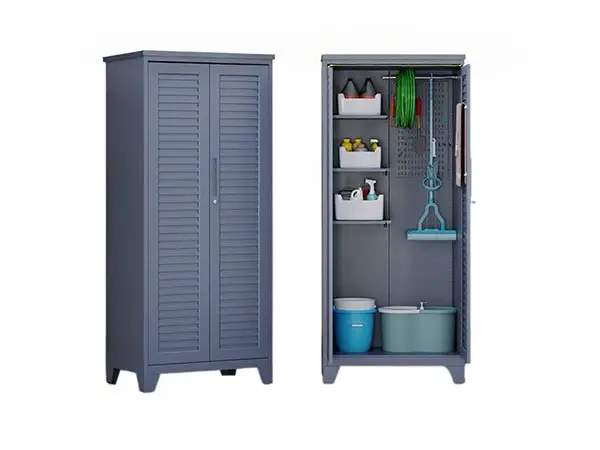
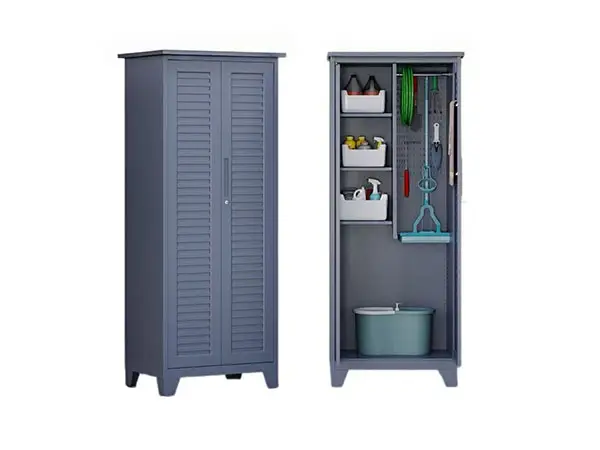
Bring industrial-grade durability and modern elegance into your living space with our premium steel household cabinets. Crafted from high-quality cold-rolled steel, these cabinets offer a zero-formaldehyde, eco-friendly alternative to traditional wooden furniture. Featuring sleek designs, vibrant color options, and adjustable shelving, they provide the ultimate storage solution for your living room, kitchen, bedroom, or garage. Browse our collection below to find the perfect blend of style and organization for your home.
PRODUCTS
Our House Hold Cabinets Product Line
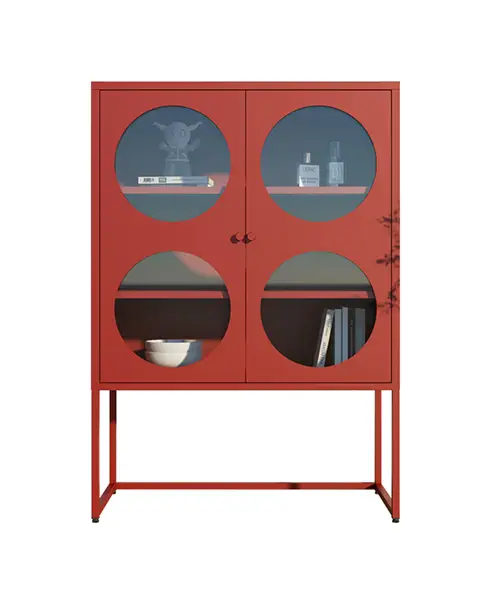
Browse through our popular house hold cabinets models. Each piece is crafted with precision and tested for durability, ensuring long-lasting performance.
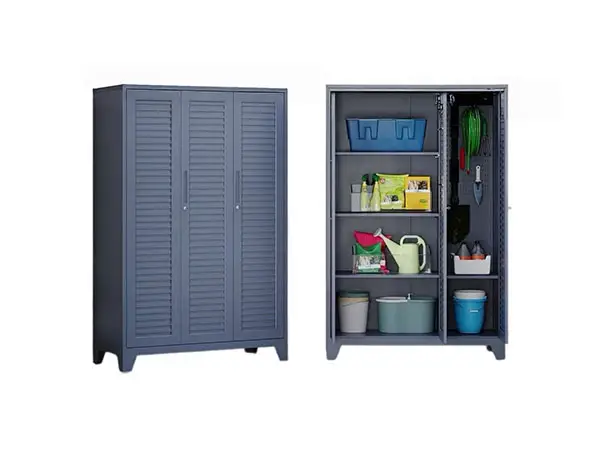
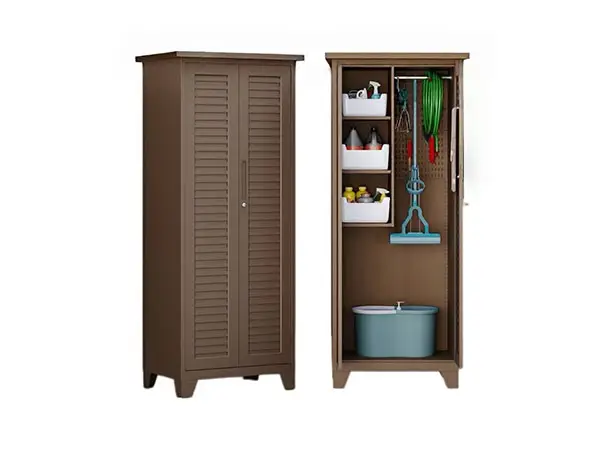
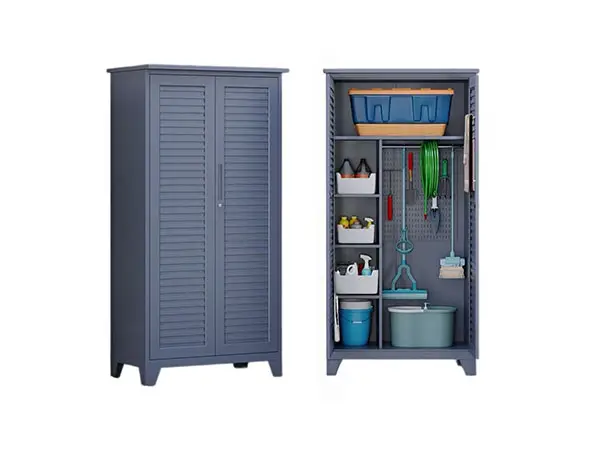
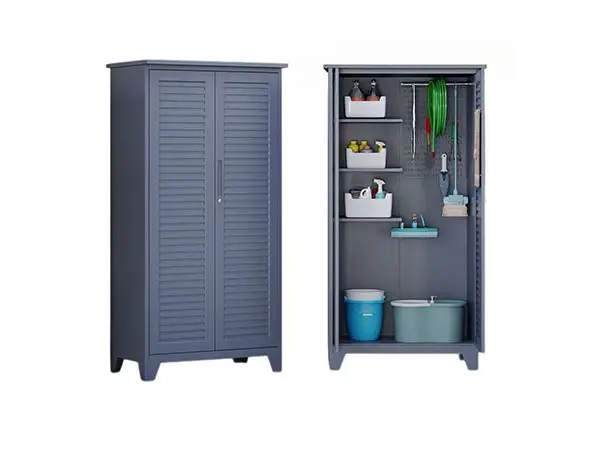

Design Inspiration: Customizing Your Space
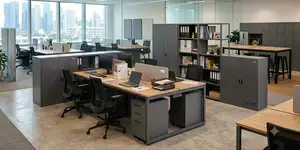
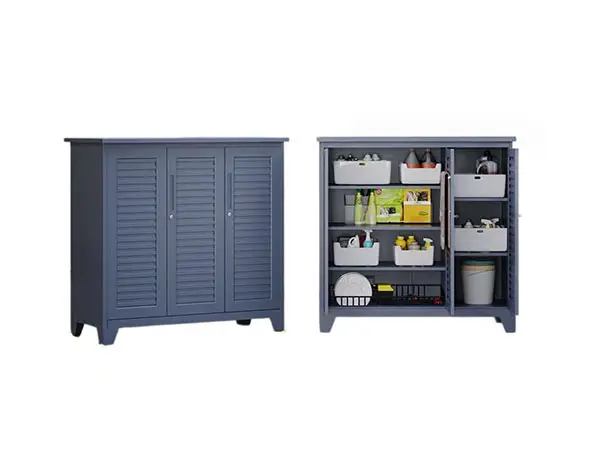
Household cabinets can be customized in size, color, layout, and storage configuration to match different rooms and interior styles. A well-designed cabinet can make better use of available space while creating a more organized, practical, and personalized living environment.
CONTACT US
Need Help?
Our house hold cabinets are widely used in various industries, and customization is supported!
FAQ
House Hold Cabinets FAQs
What Is a Household Cabinet?
A Household Cabinet is a piece of storage furniture designed with shelves, drawers, and/or doors for organizing clothing, kitchenware, documents, personal belongings, and various household items. Unlike open shelving or simple storage bins, household cabinets provide enclosed or semi-enclosed storage spaces that keep items protected from dust while maximizing room utilization and maintaining a clean, tidy living environment.
Household cabinets come in a wide variety of types to suit different rooms and purposes—including kitchen cabinets (base, wall, and pantry units), bedroom wardrobes and dressers, bathroom vanities, living room display cabinets and entertainment centers, entryway shoe cabinets, and laundry room storage units. Available in diverse styles, materials, and sizes, modern household cabinets help families create organized, comfortable, and visually appealing living spaces.
Household cabinets come in a wide variety of types to suit different rooms and purposes—including kitchen cabinets (base, wall, and pantry units), bedroom wardrobes and dressers, bathroom vanities, living room display cabinets and entertainment centers, entryway shoe cabinets, and laundry room storage units. Available in diverse styles, materials, and sizes, modern household cabinets help families create organized, comfortable, and visually appealing living spaces.
What Are the Main Advantages of Household Cabinets?
The key advantages of household cabinets include:
Protection from Dust and Damage: Enclosed storage with doors keeps belongings safe from dust, dirt, and accidental damage.
Space Optimization: Cabinets make efficient use of both floor and wall space, with options for wall mounting to free up valuable floor area. Stackable designs further enhance space savings in smaller rooms.
Versatile Storage: From small items like chargers and keys to bulky items like handbags and toys, cabinets accommodate a wide range of household goods.
Aesthetic Enhancement: Beyond storage, cabinets contribute to interior décor—with various finishes, patterns, and styles available to frame and enhance the spatial rhythm of any room.
Durability and Reliability: High-quality cabinets built with strong materials and proper construction techniques provide long-lasting performance.
Modular and Adaptable: Many modern cabinets feature adjustable shelves and modular designs that allow users to customize storage configurations as needs change.
Cost-Effective: Pre-made cabinets offer an affordable alternative to custom-built furniture while still delivering excellent functionality and style.
How Long Does a Household Cabinet Last?
The lifespan of a household cabinet depends largely on the materials used, construction quality, and maintenance practices:
Engineered Wood Cabinets (Particleboard, MDF): When properly manufactured and edge-sealed, these typically last 10 to 15 years in normal household conditions. With careful use and maintenance, they can sometimes reach 15 to 25 years.
Plywood Cabinets: Offering superior durability, plywood cabinets can comfortably last 15 to 25 years when properly maintained.
Solid Wood Cabinets: The most durable option, solid wood cabinets typically offer a lifespan ranging from 20 to over 50 years. Hardwoods like oak and maple provide the best durability. With diligent maintenance, some solid wood cabinets can last 20 to 30 years or more.
Cabinet Components: While cabinet carcasses (the main structural boxes) may remain solid for 10 to 30+ years, doors and fronts typically have a shorter lifespan of 5 to 20 years due to more frequent handling and exposure.
Key Factors: Longevity is influenced by material quality, edge sealing (critical for moisture resistance), frequency of use, environmental conditions (humidity and temperature), and regular maintenance.
What Materials Are Used to Manufacture Household Cabinets?
Household cabinets are manufactured using a variety of materials, with engineered wood products being the most common choice for cabinet bodies due to their reliability and cost-effectiveness. The primary materials include:
Plywood: Made from multiple thin layers of wood glued together, plywood offers superior strength and durability compared to other engineered woods. It is highly stable, resistant to warping, and widely regarded as one of the most durable options for cabinet construction.
Medium Density Fiberboard (MDF): A high-grade composite material made from recycled wood fibers and resin. MDF has a finer texture than particleboard, is denser and heavier, and provides a smooth surface that takes paint and veneers exceptionally well.
Particleboard: An engineered wood product made from wood chips and particles combined with adhesive and fused into panels. It is commonly used with melamine lamination for cabinet boxes.
Solid Wood: Used for cabinet doors, face frames, and decorative elements, solid wood offers natural beauty and exceptional longevity.
Other Materials: Stainless steel is occasionally used for cabinet bodies in specific applications, while hardware components such as hinges, slides, and handles are typically made from metal alloys for durability and smooth operation.
What Is the Load Capacity of a Household Cabinet?
The load capacity of a household cabinet varies significantly by model, material, and construction. Typical load capacities include:
Per Shelf: Standard household cabinet shelves typically support between 10kg to 50kg (approximately 22lbs to 110lbs). Heavy-duty steel cabinets can support up to 90kg (200lbs) or more per shelf.
Per Drawer: Drawer load capacities generally range from 3kg to 15kg depending on the drawer slides and construction quality.
Total Cabinet Capacity: Overall cabinet load capacity can range from 80kg to over 270kg (approximately 175lbs to 600lbs), depending on the cabinet size and materials.
Factors Affecting Capacity: Load capacity is influenced by shelf thickness and material, the quality of hardware (slides, hinges, and connectors), cabinet construction methods, and proper installation. Users should always refer to the manufacturer's specified weight limits and avoid overloading to ensure safety and longevity.
How Are Household Cabinets Manufactured?
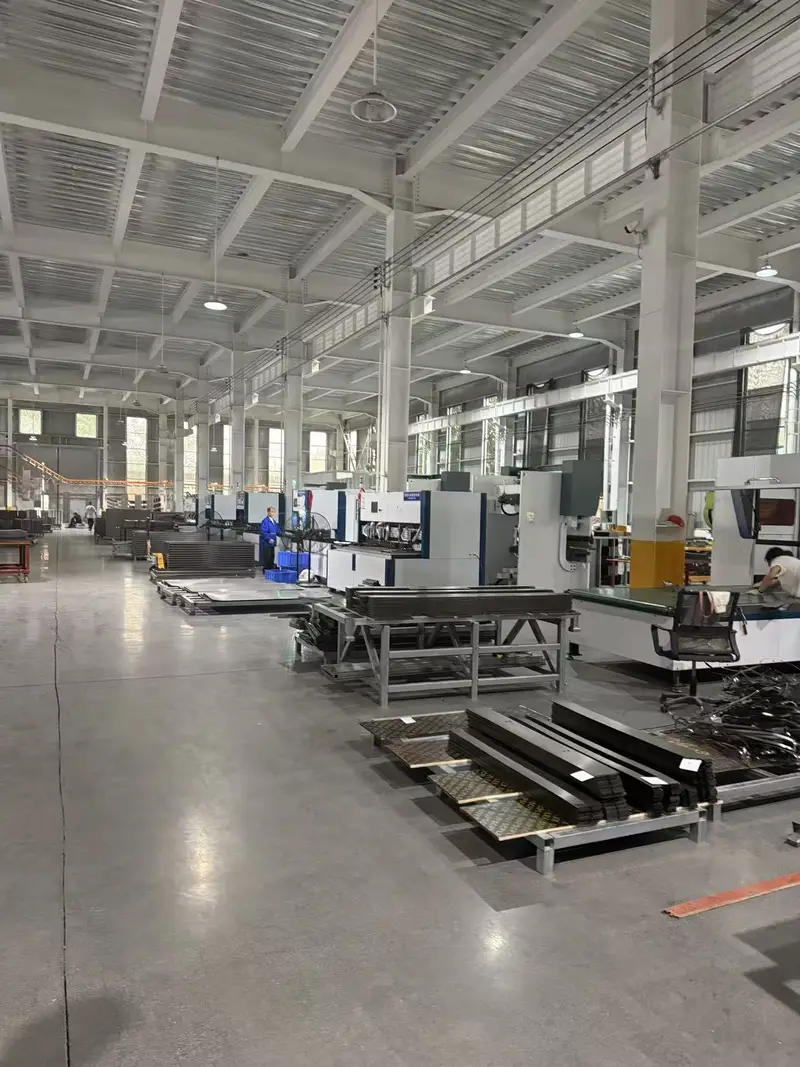
The manufacturing of household cabinets is a precise multi-stage process. Below is the complete production workflow:
1. Raw Material Selection and Quality Inspection
High-quality engineered wood panels (plywood, MDF, particleboard, or solid wood) are selected and inspected for flatness, thickness consistency, moisture content, and surface quality to ensure compliance with standards.
2. Panel Cutting and Blanking
High-precision electronic panel saws or beam saws accurately cut standard-sized boards into required component dimensions according to design drawings, maintaining minimal tolerances while optimizing material utilization.
3. CNC Drilling and Hole Processing
CNC machining centers or drilling machines precisely create connector holes, hinge holes, shelf support holes, and hardware mounting holes. The 32mm system is commonly used in European-style frameless cabinet construction for standardization.
4. Edge Banding
Fully automatic edge banding machines apply PVC or ABS edging tape to exposed panel edges using hot-melt adhesive. This process prevents moisture absorption, protects against damage, and enhances aesthetics.
5. Milling and Special Shaping (Optional)
For components requiring curved edges, decorative profiles, or complex shapes, CNC routers perform precision milling.
6. Trial Assembly and Structural Verification
Major components are pre-assembled to verify connection precision and structural stability—ensuring smooth on-site installation.
7. Surface Finishing and Decoration
Depending on the product, surfaces undergo lamination, foil wrapping, painting, or veneering. Some products require sanding, priming, and top coating for a smooth, durable finish.
8. Hardware Installation
High-quality hinges, slides, handles, connectors, and shelf supports are installed. Assembly may use Confirmat screws, hardwood dowels, or a combination.
9. Quality Inspection and Performance Testing
Every batch undergoes dimensional accuracy checks, edge quality assessment, hardware functionality testing, structural stability verification, and surface inspection.
10. Cleaning, Packaging, and Delivery
Products that pass all inspections are cleaned and professionally packaged with protective materials to prevent damage during transportation, ensuring on-time delivery.