

Goods Shelves - Durable Storage Solutions for Your Business
Overview of
Steel Goods Shelves
Steel Goods Shelves
Maximize your storage space and operational efficiency with our industrial-grade steel goods shelves. Manufactured from high-quality cold-rolled steel, our shelving units deliver exceptional load-bearing capacity, durability, and stability. Featuring adjustable heights and a rust-resistant powder-coated finish, they are the ultimate storage solution for warehouses, archives, offices, and retail spaces. Browse our collection below to find the perfect fit for your organizational needs.
PRODUCTS
BST Goods Shelf Range
Browse through our popular goods shelf models. Each piece is crafted with precision and tested for durability, ensuring long-lasting performance.
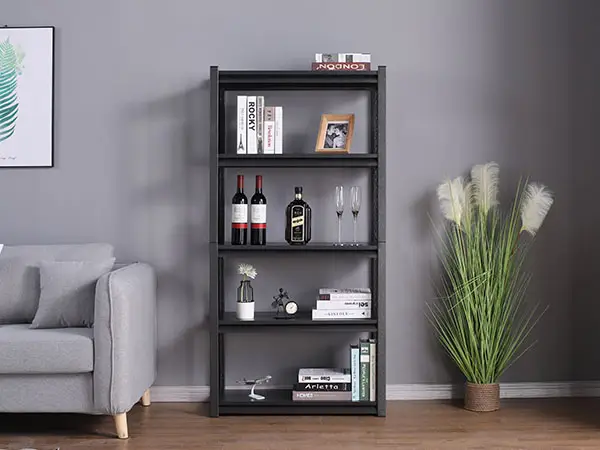
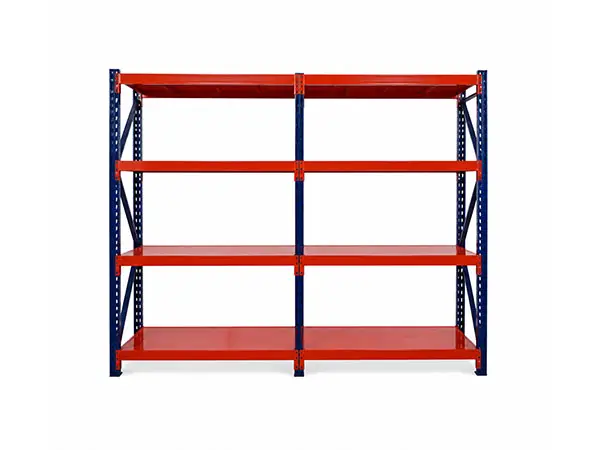
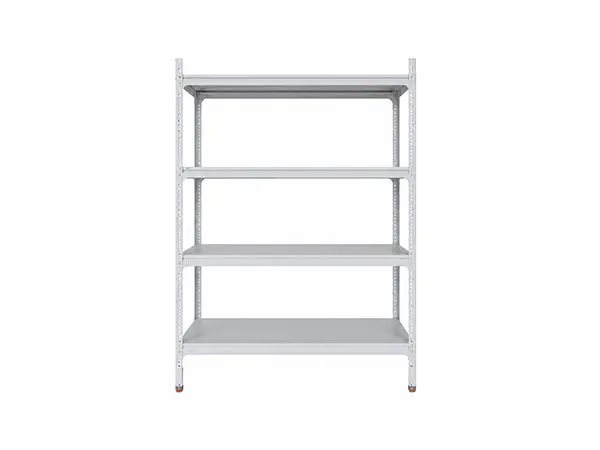

Maximizing Storage Efficiency
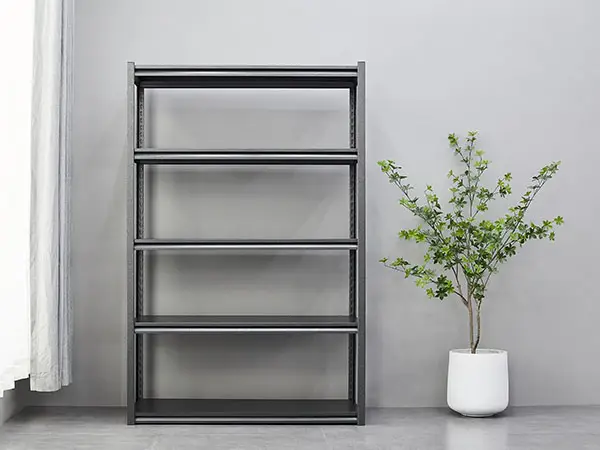
Goods shelves help businesses make better use of available floor and vertical space by organizing products according to size, weight, and access frequency. A well-planned shelving system can reduce wasted space, improve inventory accessibility, and support more efficient daily storage and handling operations.
CONTACT US
Need Help?
Our steel goods shelf are widely used in various industries, and customization is supported!
FAQ
Steel Goods Shelf FAQs
What Is a Steel Goods Shelf?
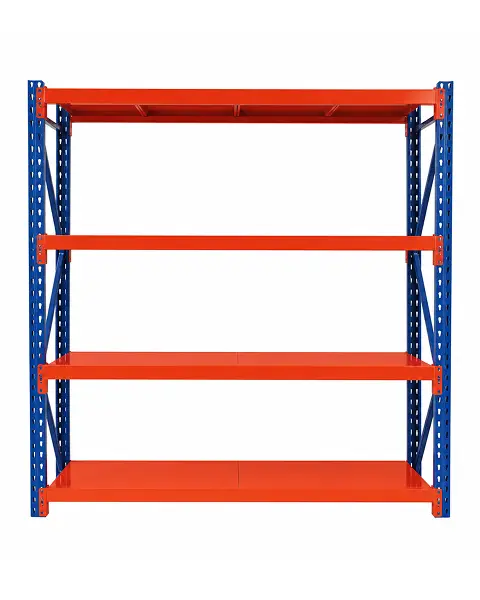
A Steel Goods Shelf is a metal storage unit made from high-quality steel, featuring multiple open tiers for organizing goods, merchandise, tools, materials, and industrial components. Compared with traditional cabinets with doors or stacked storage, steel goods shelves offer better space utilization, easier access and retrieval, and superior load-bearing capacity and structural stability.
What Are the Main Advantages of Steel Goods Shelf?
The key advantages of steel goods shelves include:Robust Construction & Excellent Load Capacity: Steel uprights and beams form a stable framework, with single-tier load capacities reaching hundreds of kilograms—easily handling heavy goods storage.High Space Utilization: Open multi-tier designs maximize vertical space, significantly increasing storage density per unit area.Easy Access & Retrieval: Open shelving allows items to be clearly visible, enabling quick retrieval without rummaging—boosting operational efficiency.
Flexible & Adjustable: Shelf heights can be freely adjusted according to item dimensions, accommodating a wide variety of goods.Durable & Corrosion-Resistant: Powder coating provides excellent protection against rust, scratches, and chemical exposure—ensuring long service life.Easy Maintenance: Open structures facilitate cleaning; routine maintenance requires only dusting.Cost-Effective: Compared with custom cabinetry, shelving systems are simpler in structure, lower in cost, quick to install, easy to disassemble, and reusable.
Flexible & Adjustable: Shelf heights can be freely adjusted according to item dimensions, accommodating a wide variety of goods.Durable & Corrosion-Resistant: Powder coating provides excellent protection against rust, scratches, and chemical exposure—ensuring long service life.Easy Maintenance: Open structures facilitate cleaning; routine maintenance requires only dusting.Cost-Effective: Compared with custom cabinetry, shelving systems are simpler in structure, lower in cost, quick to install, easy to disassemble, and reusable.
How Long Does a Steel Goods Shelf Last?
Under normal usage and proper maintenance, a high-quality steel goods shelf can last 15 to 20 years or even longer. Its longevity is primarily attributed to the inherent physical strength of steel and the protective anti-corrosion coating. To extend service life, it is recommended to avoid overloading, clean shelves and uprights regularly, inspect connections for looseness, and promptly repair any coating damage to prevent rust.
What Materials Are Used to Manufacture Steel Goods Shelf?
Steel goods shelves are primarily manufactured using high-quality cold-rolled steel sheets or galvanized steel sheets. Some premium models utilize stainless steel for enhanced corrosion resistance. Uprights and beams are typically formed into C-channel, U-channel, or Z-profile structural shapes to ensure high strength and stability. Shelves can be made from steel plates, galvanized sheets, or perforated steel, with some models featuring wooden or composite boards for specific applications. The surface typically undergoes phosphating treatment and electrostatic powder coating to form a durable rust-resistant, scratch-resistant, and corrosion-resistant finish.
What Is the Load Capacity of a Steel Goods Shelf?
The load capacity of a steel goods shelf varies by model, structure, and material specifications. Light-duty shelves typically support 100kg to 200kg per tier, suitable for lightweight merchandise, office materials, or retail displays. Medium-duty shelves offer 250kg to 500kg per tier, ideal for general warehouse goods, components, and tools. Heavy-duty shelves can handle 800kg to 1,500kg or more per tier, designed for large spare parts, heavy tools, steel components, and other high-density storage applications. Specific capacity depends on steel thickness, structural design, and shelf type.
How Are Steel Goods Shelves Manufactured?
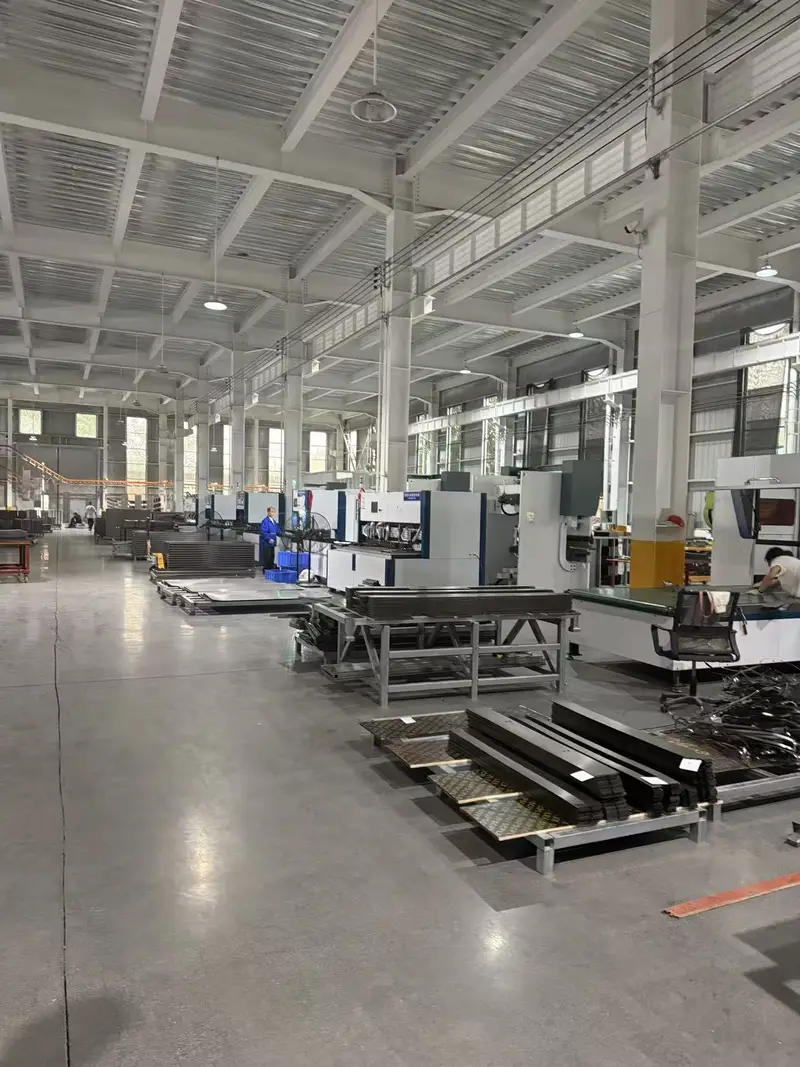
The manufacturing of steel goods shelves involves a multi-step precision process, including the following stages:Material Selection: High-quality cold-rolled or galvanized steel sheets are chosen to ensure base material strength and consistency.Sheet Metal Cutting: Precision laser cutting or shearing machines accurately cut steel sheets into required component sizes.Punching & Hole Processing: CNC punch presses precisely create upright connecting holes, shelf adjustment slots, and various mounting perforations.Bending & Forming: CNC press brakes shape steel sheets into C-channel, U-channel, or Z-profile structural components.Welding & Assembly: Spot welding or gas-shielded welding securely joins components into complete upright frames and beam assemblies.Surface Treatment: After degreasing and phosphating pre-treatment, electrostatic powder coating is applied to form a rust-resistant, wear-resistant finish.Hardware Installation: Connectors, anti-slip pads, floor leveling feet, expansion bolts, and other accessories are installed.Quality Testing: Load tests, stability tests, coating adhesion tests, and salt spray corrosion tests are conducted to ensure compliance with quality standards.Packaging & Delivery: Products that pass all inspections are professionally packaged to ensure safe transportation and on-time delivery.