

File Cabinets - Durable and Secure Storage Solutions | BST
Overview Of
File Cabinets
File Cabinets
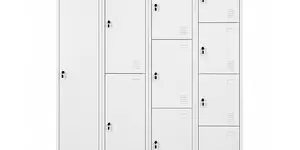
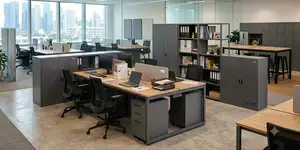
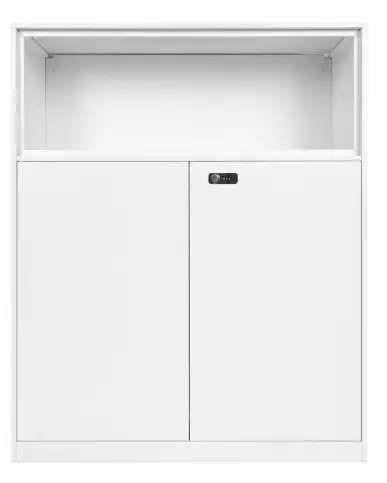
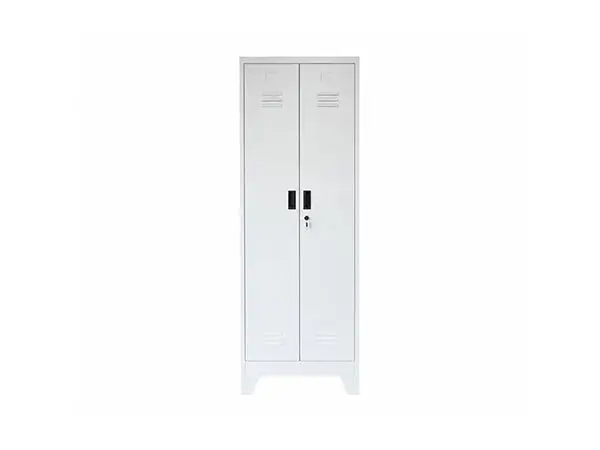
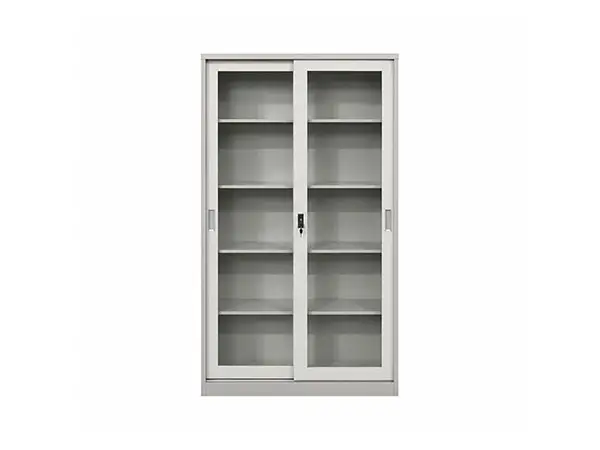
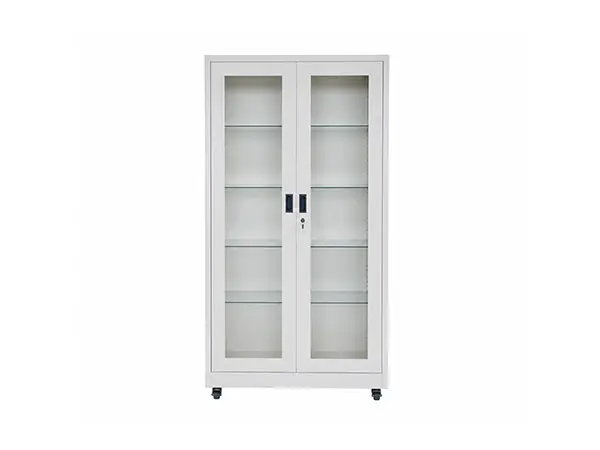
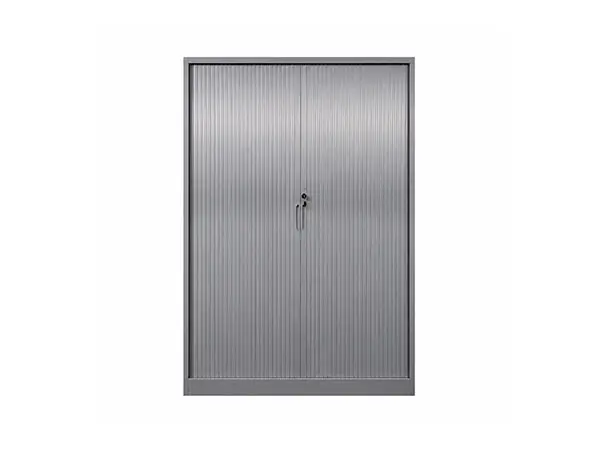
As a professional manufacturer of steel office furniture, we offer a high-quality series of steel file cabinets. All products are crafted from premium, thickened cold-rolled steel sheets, with an environmentally friendly electrostatic powder coating treatment, ensuring zero formaldehyde, rust and moisture resistance, and durability. Whether you need to store confidential company files, daily office documents, or miscellaneous receipts and office supplies, our glass-door, iron-door, sliding-door, and drawer-style file cabinets provide the most reliable storage solutions.
500+
Standard Types
100%
Quality Inspected
PRODUCTS
BST File Cabinets
Browse our popular filing cabinet styles. Each product is meticulously crafted and durability-tested to ensure longevity.
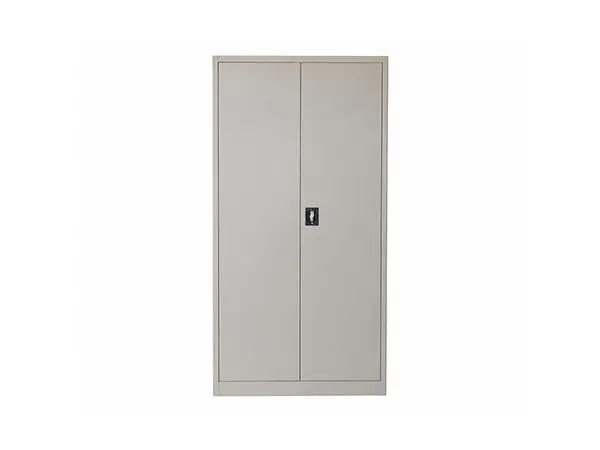
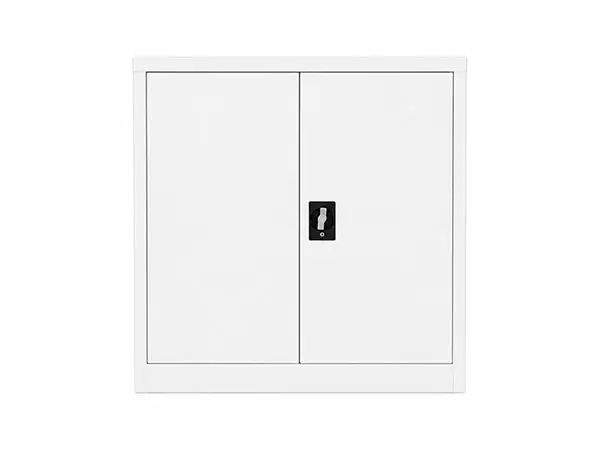
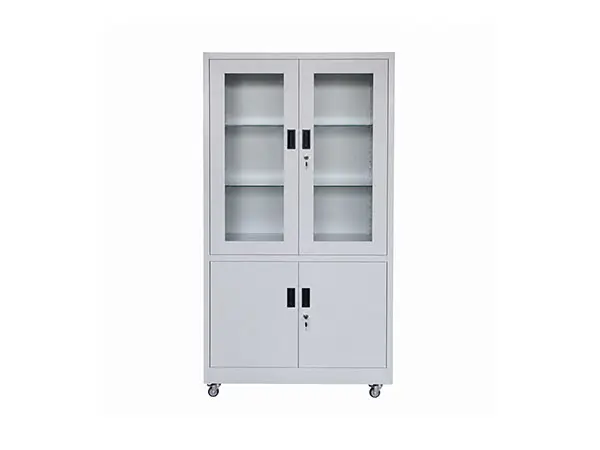
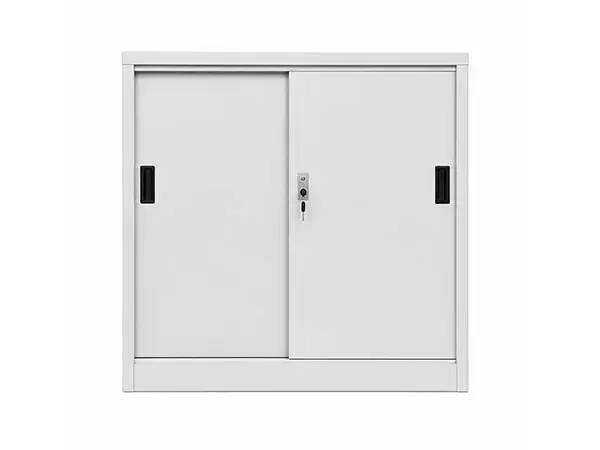

Steel File Cabinet Manufacturing Process
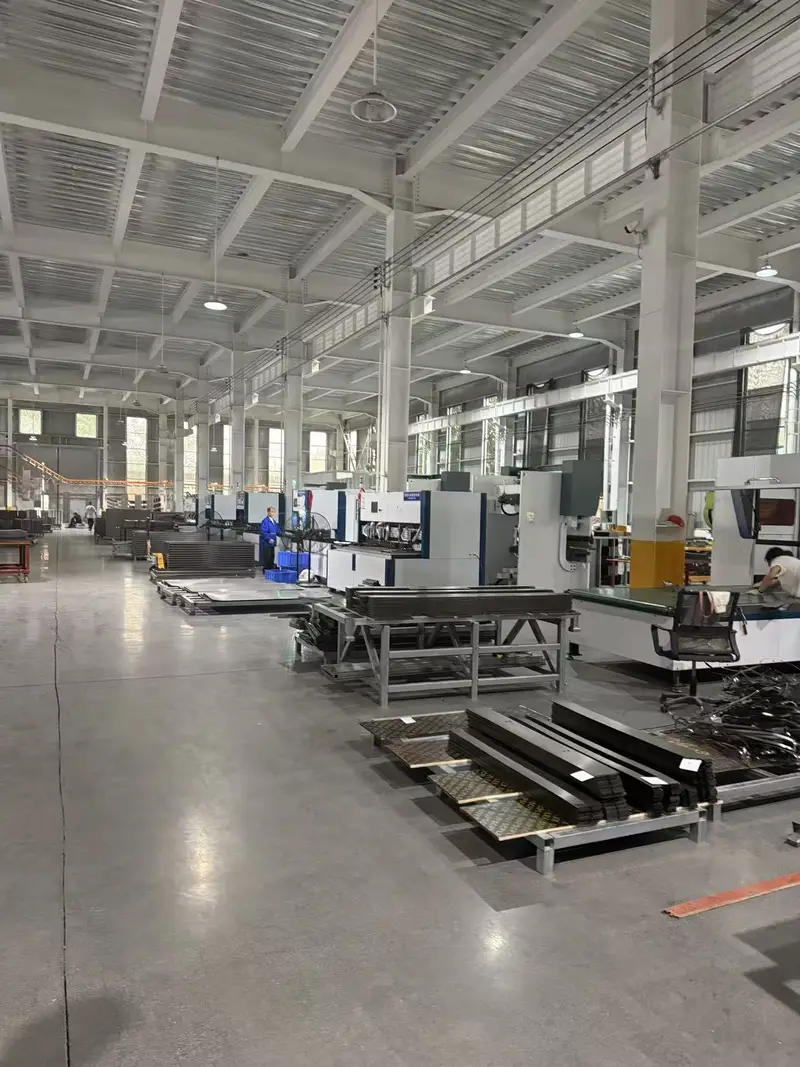
Every file cabinet we produce undergoes a complete journey—from premium steel selection and precision cutting, to welding, surface finishing, and rigorous final inspection. We never compromise on any stage, because each step determines its strength, aesthetic quality, and long-term reliability—that’s our commitment to excellence.
CONTACT US
Need Help?
Our steel file cabinets are widely used in various industries, and customization is supported!
FAQ
Steel File Cabinet FAQs
What Is a Steel File Cabinet?
A Steel File Cabinet is a metal storage unit made from high-quality cold-rolled steel, featuring multiple drawers or compartmented doors for organizing documents, contracts, archives, office supplies, and important records. Compared with ordinary wooden filing cabinets or open shelving, steel file cabinets offer superior structural strength, better fire and moisture resistance, and enhanced security against unauthorized access.
What Are the Main Advantages of Steel File Cabinet?
Robust Construction: Steel bodies offer high load-bearing capacity and resist deformation, ensuring reliable performance under frequent daily use.
Security & Theft Protection: Equipped with professional locking systems, they effectively safeguard confidential documents and important records.
Fire & Moisture Resistance: Metal construction provides inherent protection against fire, moisture, and pests—superior to wooden alternatives.
Space Efficiency: Vertical multi-tier designs maximize office space utilization while minimizing floor footprint.
Easy Maintenance: Surface coatings resist dust and stains; routine cleaning requires only a damp cloth.
Aesthetic & Durable: Available in various colors and finishes to complement any office décor, maintaining a like-new appearance for years.
How Long Does a Steel File Cabinet Last?
Under normal usage and proper maintenance, a high-quality steel file cabinet can last 15 to 20 years or even longer. Its longevity is primarily attributed to the inherent physical strength of steel and the protective anti-corrosion coating. To maximize service life, avoid excessively humid environments, clean slides and locks periodically, and prevent overloading or forceful opening—simple habits that significantly extend its lifespan.
What Materials Are Used to Manufacture Steel File Cabinet?
Steel file cabinets are primarily manufactured using high-quality cold-rolled steel sheets. Some premium models utilize galvanized steel or stainless steel for enhanced corrosion resistance. The surface typically undergoes phosphating treatment and electrostatic powder coating to form a durable anti-corrosion layer. Additionally, drawer slides are often made from high-hardness alloy steel, while locking mechanisms are crafted from zinc alloy or stainless steel to ensure long-term smoothness and security.
What Is the Load Capacity of a Steel File Cabinet?
The load capacity of a steel file cabinet varies by model and design. Standard office series typically support 30kg to 50kg per drawer, sufficient for large volumes of paper documents, binders, and office supplies. Industrial-grade or heavy-duty series can handle 80kg to 100kg per drawer, making them suitable for storing heavy tools, equipment accessories, or dense archives. Specific capacity depends on steel thickness, slide quality, and drawer structural design.
How Are Steel File Cabinets Manufactured?
The manufacturing of steel file cabinets involves a multi-step precision process, including the following stages:
Material Selection: High-quality cold-rolled steel sheets are chosen to ensure base material strength and consistency.
Sheet Metal Cutting: Precision laser cutting or stamping processes accurately cut steel sheets into required components.
Bending & Forming: CNC bending machines shape the steel into cabinet bodies, drawers, and other structural parts.
Welding & Assembly: Spot welding or CO₂ gas-shielded welding securely joins components into complete cabinet frames.
Surface Finishing: After degreasing and phosphating pre-treatment, electrostatic powder coating is applied to form a rust-resistant, wear-resistant finish.
Assembly & Final Inspection: Slides, locks, handles, and other accessories are installed, followed by rigorous load, operation, and safety tests to ensure every unit meets quality standards.