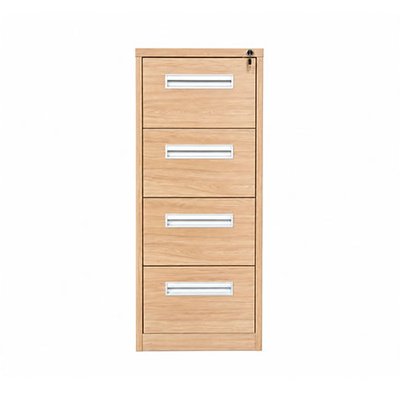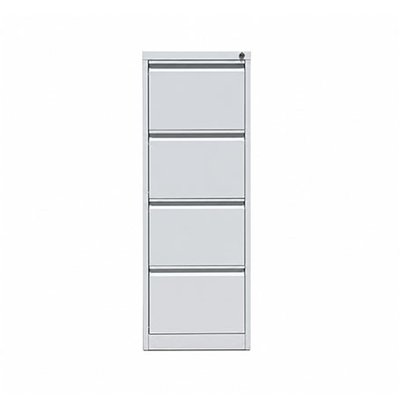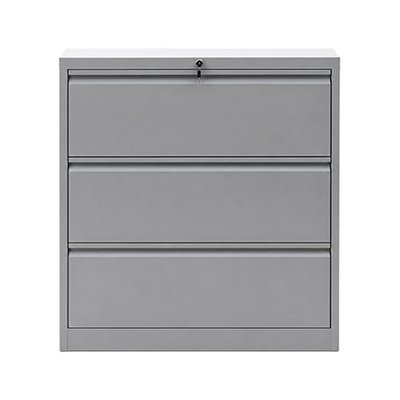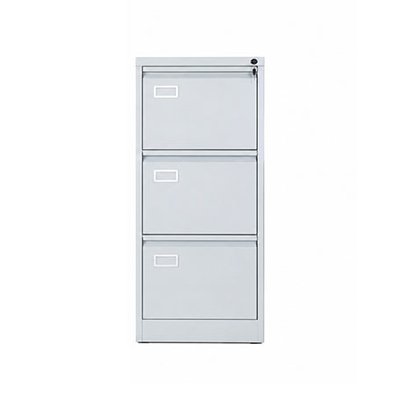
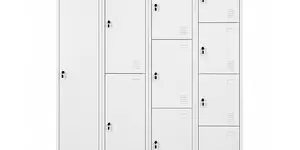

Steel storage lockers are among the durable storage products suitable for commercial use, but even the toughest equipment requires consistent care to perform at its best. In high-traffic workplaces such as schools, gyms, manufacturing plants, and warehouse facilities, lockers endure constant use, moisture exposure, and occasional abuse. Without a systematic maintenance program, these lockers can develop rust, jammed doors, broken locks, and structural damage that forces premature replacement.
The financial stakes are significant. A well-maintained set of steel lockers can serve a facility for 20 years or more, while neglected units in high-traffic environments may require replacement within a fraction of that time. Metal lockers typically last approximately 15 years under normal conditions, but moisture from wet clothing, snow, and salt on boots can accelerate corrosion and reduce that lifespan dramatically. Implementing a proactive maintenance strategy protects your investment, ensures employee satisfaction, and maintains the professional appearance of your facility.
This guide provides a comprehensive, step-by-step approach to maintaining steel lockers in high-traffic workplaces, drawing on industry best practices, manufacturer recommendations, and real-world facility management experience.
Establish a Cleaning Schedule That Matches Usage Intensity
The foundation of any locker maintenance program is a consistent cleaning schedule. The frequency of cleaning should reflect the level of traffic and usage your lockers experience.
For low-traffic office environments, locker maintenance every six to twelve months is generally sufficient. However, in high-traffic areas such as schools and gyms where lockers see very regular use, you should perform maintenance every three to four months. Some industry experts recommend reviewing lockers in high-traffic settings on a quarterly basis to catch issues before they escalate.
Daily and weekly cleaning routines are equally important. Current CDC guidelines recommend cleaning existing equipment at least every shift change, and the same standard should apply to lockers and locker room areas. For facilities with exceptionally high traffic, cleaning should occur multiple times per day. Locker rooms should be inspected and spot-cleaned throughout the day, then fully cleaned and disinfected every day.
A practical daily routine includes wiping down high-touch surfaces such as door handles and lock faces with disinfectant wipes. Weekly cleaning should involve emptying each locker completely, vacuuming or dusting all surfaces with particular attention to corners, vents, and crevices, and wiping both the interior and exterior with a mild detergent mixed with warm water using a soft cloth or sponge.
Master the Art of Proper Cleaning Techniques
The way you clean steel lockers matters as much as how often you clean them. Using the wrong cleaning products or methods can damage the powder-coated finish and accelerate corrosion.
Steel lockers are typically finished with an electrostatically applied high-grade powder coat finish. This coating serves as the primary barrier against atmospheric oxidation and rust. To protect this finish, you should clean powder-coated surfaces using a soft, clean cloth and a mild, non-abrasive, pH-neutral liquid—preferably hand dishwashing detergent—mixed with warm water. Always rinse with fresh water using a mildly damp cloth to remove any remaining detergent, and dry the surface thoroughly with a clean towel after each cleaning.
Several critical rules apply to steel locker cleaning. Never use harsh chemicals, chlorine-based cleaners, bleach, solvents, or aggressive scouring pads, as these substances can strip away the protective powder-coated finish. Avoid abrasive scrubbers that can damage the cabinet surface. For common light contaminants such as floating dust, fingerprints, and water stains, a dry cotton cloth or dust-free cloth can remove them instantly without water or detergent. For slight oil stains, use a slightly damp cloth with mild neutral detergent such as diluted dish soap.
When cleaning, always work from top to bottom. Start with the top of the lockers—where dust and litter can easily gather—then move to the doors, the interior, and finally the base. This approach prevents dirty water or debris from dripping onto already-cleaned surfaces.
Prevent Rust Before It Starts
Rust is the single greatest threat to steel locker longevity. In high-traffic environments where users store wet clothing, gym bags, or items exposed to snow and salt, moisture accumulates inside lockers and accelerates corrosion.
Prevention is far more effective than remediation. After every cleaning, ensure that lockers are thoroughly dried—use a dry cloth if necessary. In humid environments, consider placing desiccant packets or moisture-absorbing products inside lockers to reduce ambient humidity. Ensure good room ventilation to help moisture evaporate rather than condense on metal surfaces.
Regular inspections are essential for catching rust early. Inspect lockers periodically for scratches and signs of corrosion. Small rust spots should be treated immediately with a rust remover or a baking soda paste—apply it, let it sit, then gently scrub and wipe clean. Touch up damaged areas with rust-inhibiting primer and paint. Once rust penetrates the powder coating and reaches the base metal, it will spread rapidly if left untreated.
In high-humidity zones, applying a high-quality, professional-grade wax sealant on an annual basis provides an additional sacrificial layer that protects the finish against moisture. For facilities in coastal areas or those with particularly harsh conditions, consider upgrading to galvanite lockers—made from galvannealed sheet steel components with an electrostatically applied powder coat finish—which can withstand repeated cleaning without losing their protective qualities.
Lubricate Moving Parts Regularly
The mechanical components of steel lockers—hinges, latches, and locking mechanisms—experience constant friction in high-traffic environments. Over time, these moving parts can accumulate airborne dust and undergo metal-on-metal friction, leading to stiff operation, unpleasant squeaking, or complete mechanical seizure.
Lubricate hinges and locks every three to six months. Use a silicone-based or graphite-based lubricant, and avoid oil-based products that attract dust and eventually turn into a grinding paste. Apply sparingly to hinges and locks, work the doors a few times to distribute the lubricant, then wipe away any excess.
For hinges, apply a small amount of lubricating oil—such as sewing machine oil or special hardware lubricant—to the hinge pivots quarterly to reduce friction noise during opening and closing and prevent rusting and jamming. In high-use areas, it is recommended to maintain hinges at least twice a year. Check hinges for looseness or wear; if necessary, tighten screws or replace severely worn parts. While squeaking hinges are a sign of insufficient lubrication, if squeaking occurs frequently, pin misalignment should be investigated.
Conduct Regular Structural Inspections
Beyond surface cleaning and lubrication, routine structural inspections are vital for identifying potential issues before they become systemic failures. Facility managers should periodically examine the main frame, internal shelving, and critical mounting points for early signs of metal fatigue, stress fractures, or loosened mechanical fasteners.
At least once a year, inspect the condition and tightness of wall anchors, screws, joints, and structural connections. In heavily utilized settings, bolts, rivets, and screws can loosen over time due to constant vibration and the kinetic impact of daily use. Tighten any loose hardware on the locker body and hooks. Check all screws and tighten any loose hardware components on all parts of the locker body. Straighten any bent steel work that may be preventing doors from opening or closing properly.
Door alignment also requires attention. Regularly check that doors open and close effortlessly and that the door does not sag or place undue stress on the main frame. If a door does not latch properly, adjust the door jambs on the frame member.
Protect Lockers From User-Related Damage
Even the best maintenance program cannot compensate for user behavior that damages lockers. Educating users—whether staff or students—is an essential component of locker maintenance.
Encourage users not to overload lockers, slam doors, or force locks. Overloading places excessive stress on hinges, shelves, and mounting points. Slamming doors can bend hinges and misalign doors. Forcing locks can damage the locking mechanism and make the locker unusable.
Consider using internal liners or matting to protect against scratches and make cleaning easier. In high-traffic areas, protective door covers can shield locker surfaces from daily wear. Install slope tops or bases to improve cleaning access underneath and on top of lockers.
Providing access to cleaning supplies at each locker location offers a visual reminder for employees to keep their area clean and gives them the means to do so. Encourage each worker to practice personal cleaning of their areas and provide signage encouraging hand washing whenever they enter or exit a locker storage area.
Address Aesthetic Maintenance
The appearance of your lockers reflects on your facility. Scratches, dents, and faded finishes create a negative impression on employees, customers, and visitors alike.
Source the color code of your lockers from where you purchased them and order touch-up pens to disguise marks and scratches. Address scratches immediately to prevent rust formation. Check for rust and remove it with emery cloth. Wipe down any spills and clean off any marks both inside and out with a damp cloth, especially if any liquid has been splashed on them.
Maintaining steel lockers in high-traffic workplaces requires commitment, consistency, and attention to detail. Establish a cleaning schedule that matches your facility's usage intensity—daily wipe-downs of high-touch surfaces, weekly deep cleaning, and quarterly comprehensive maintenance reviews. Use proper cleaning techniques and products that protect rather than damage the powder-coated finish. Prevent rust through thorough drying, moisture control, and prompt treatment of any signs of corrosion. Lubricate moving parts regularly with appropriate silicone- or graphite-based products. Conduct structural inspections to catch loose hardware and misaligned doors before they become serious problems. Educate users on proper locker use and provide the tools they need to keep their spaces clean.
This approach offers numerous benefits: it extends the lifespan of the lockers, reduces replacement costs, and boosts employee satisfaction, while also demonstrating a high standard of professional facility management and a commitment to employee well-being. For workplaces where lockers see heavy use, proactive maintenance is by no means an optional extra—it is an essential operational routine.