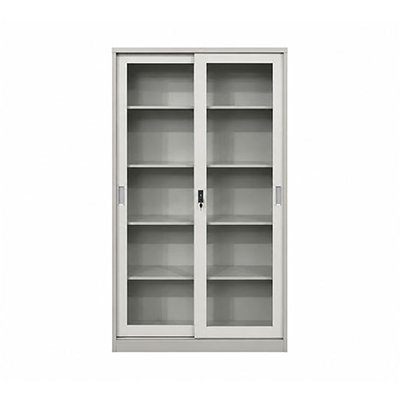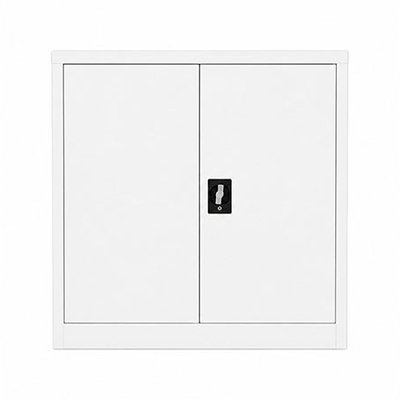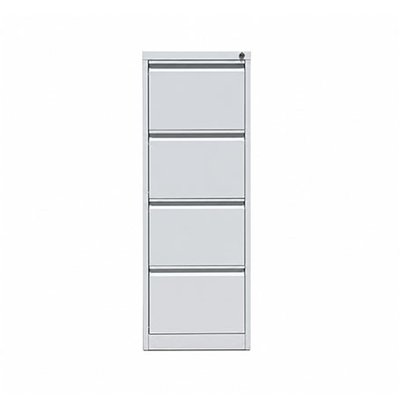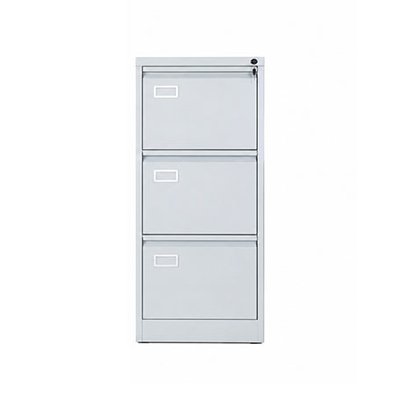

When you walk into any office, workshop, or industrial facility, you will almost certainly encounter some form of steel storage. Two of the most common options are steel drawer cabinets and filing cabinets. At first glance, they may look similar—both are made of steel, both have drawers, and both are designed to keep things organized. However, these two storage solutions serve fundamentally different purposes, and choosing the wrong one can lead to wasted space, inefficient workflows, and unnecessary expense.
Understanding the distinction between steel drawer cabinets and filing cabinets is not just an academic exercise—it is a practical decision that affects how your team works every day. This guide breaks down the key differences across design, capacity, accessibility, and ideal use cases, helping you make an informed choice for your workplace.
What Is a Filing Cabinet?
A filing cabinet is a purpose-built storage unit designed specifically for storing hanging files and physical documents in an organized format that allows quick retrieval. It is taller and larger than most alternative storage options and is typically placed as a standalone unit in a team area, corridor, or dedicated document storage zone rather than beneath a workstation.
Filing cabinets come in two primary configurations. Vertical filing cabinets store files front-to-back in drawers that open toward the user. These cabinets typically feature two to five drawers, with standard heights of 29 inches for a two-drawer unit, 40 inches for a three-drawer unit, 52 inches for a four-drawer unit, and 60 inches for a five-drawer unit. The drawers are specifically designed for letter-size papers (15 inches wide) and legal-size papers (18.25 inches wide), with a total depth of approximately 28.5 inches.
Lateral filing cabinets, by contrast, are wider than they are deep and store files side-by-side in drawers that extend the full width of the unit. Their width typically ranges from 30 to 44 inches, and they allow multiple people to access files from the same unit simultaneously, making them better suited to shared team filing in high-document environments.
The defining feature of a filing cabinet is its specialization. Every aspect of its design—from drawer depth to hanging rail systems to label holders—is optimized for document storage. A typical four-drawer vertical filing cabinet can store approximately 100 linear inches of files. Each drawer can hold roughly 250 to 300 file folders, with each folder containing 50 to 100 sheets depending on paper weight. That means one drawer can store up to 15,000 sheets, and a four-drawer cabinet can hold approximately 60,000 documents.
What Is a Steel Drawer Cabinet?
A steel drawer cabinet is a more versatile storage solution that is not limited to documents. While some steel drawer cabinets are designed for office use—often referred to as pedestal drawers when placed under a desk—many are built for industrial, workshop, and manufacturing environments where the storage needs extend far beyond paper.
A pedestal drawer is a compact, low-profile storage unit designed to sit beneath or beside a workstation desk. It typically contains two to three drawers in a combination of shallow box drawers for stationery and deeper drawers for files or personal items. Pedestals are available in mobile configurations with castors that can be moved between workstations, making them particularly well-suited to open-plan offices with flexible layouts.
However, the term "steel drawer cabinet" encompasses a much broader category. In industrial settings, modular drawer cabinets are engineered for high-density storage of tools, parts, and equipment. These cabinets are constructed from heavy-gauge steel—often 14-gauge or thicker—and feature drawers with load capacities far exceeding what any filing cabinet can handle. Heavy-duty modular drawer cabinets from manufacturers like Lista, Rousseau, and Stanley Vidmar typically offer 400-pound load capacity per drawer, with some models supporting up to 440 pounds per drawer.
The dimensions of industrial steel drawer cabinets vary widely based on configuration. A typical modular cabinet might measure 28.25 inches wide, 28.5 inches deep, and 59.5 inches high, with 14 drawers and 282 compartments. These cabinets are designed to make full use of vertical and horizontal dimensions—front-to-back, side-to-side, and top-to-bottom—while eliminating the wasted space that often occurs above irregularly shaped items stored on shelves.
The Fundamental Difference: Purpose and Specialization
The most important distinction between steel drawer cabinets and filing cabinets lies in their intended purpose.
A filing cabinet is a specialist. It is built for one thing and one thing only: storing documents in hanging file folders. Everything about its design supports that single function. The drawer depth matches standard file folder lengths. The internal rails accommodate hanging file systems. The label holders enable systematic categorization. The compressor mechanism keeps files upright and organized. If you need to store contracts, HR records, client files, or any other paper documents that require organized retrieval, a filing cabinet is the right tool for the job.
A steel drawer cabinet, on the other hand, is a generalist. It is designed to store whatever you need to store—office supplies, personal items, tools, parts, equipment, or documents. This versatility comes at the cost of specialization. While some steel drawer cabinets include hanging file rails, many do not. Files stored in a standard drawer often end up stacked flat or mixed with other items, making retrieval slower and more difficult.
Capacity and Weight: A Dramatic Difference
The capacity differences between these two storage types are substantial, and they extend far beyond the number of items each can hold.
Filing cabinets are designed for lightweight paper storage. A standard four-drawer vertical filing cabinet holds approximately 100 linear inches of files. While this translates to tens of thousands of sheets of paper, the weight is distributed across the entire drawer and remains relatively modest. The cabinet itself is constructed from lighter-gauge steel—typically 18 to 24 gauge—because it does not need to support heavy loads.
Steel drawer cabinets, particularly industrial modular units, are engineered for heavy loads. A single heavy-duty drawer can hold 400 pounds or more. Some cabinets are rated for total loads exceeding 4,000 pounds. The steel gauge is significantly thicker—14-gauge or heavier—and the drawer slides are built to withstand constant heavy use.
To put this in perspective: a filing cabinet drawer might hold 15,000 sheets of paper weighing roughly 75 pounds. An industrial steel drawer cabinet drawer can hold 400 pounds of tools, parts, or equipment—more than five times the weight capacity. This difference reflects the fundamentally different roles these products play in the workplace.
Space Efficiency: Different Approaches to Footprint
Both filing cabinets and steel drawer cabinets can be space-efficient, but they achieve this efficiency in different ways.
Filing cabinets maximize vertical storage within a narrow footprint. A standard four-drawer vertical cabinet is approximately 15 inches wide, 28.5 inches deep, and 52 inches tall. It requires approximately 25 linear inches of aisle space in addition to the cabinet's own footprint. Lateral filing cabinets trade height for width, offering a lower profile that can double as a surface for printers or reference materials.
Steel drawer cabinets, particularly modular systems, offer dramatically higher storage density. One eye-level drawer cabinet can hold as much as three to four shelving units. Switching to modular drawer storage can reduce required square footage by up to 400 percent. For workshops with limited floor space, a vertical drawer cabinet can store as many items as several shelves while occupying a fraction of the footprint.
However, this density advantage applies primarily to industrial and workshop environments where items are small and varied. For document storage, filing cabinets remain the more space-efficient choice because they are specifically designed to maximize paper storage per square foot.
Accessibility and Workflow
The way users access stored items differs significantly between these two cabinet types.
Filing cabinets are designed for quick, systematic retrieval. Hanging files slide along rails, and labeled tabs allow users to scan and locate documents instantly. This makes filing cabinets far superior for frequent document access. Users do not need to dig through piles or lift stacks of folders to find what they need.
Steel drawer cabinets offer accessibility that depends on the items being stored. For office pedestal drawers, the advantage is proximity—everything a person needs during a workday stays within arm's reach without occupying floor space elsewhere. For industrial modular cabinets, full-extension drawers keep everything within reach, reducing bending, kneeling, and stretching. This creates a safer, more productive work environment while improving employee satisfaction.
The trade-off is organization. While steel drawer cabinets can be customized with dividers and compartments, they lack the built-in filing systems that make document retrieval so efficient in a filing cabinet.
Security Considerations
Both cabinet types offer locking mechanisms, but the level of security varies.
Filing cabinets typically feature central locking systems that secure all drawers simultaneously with a single key. This makes them suitable for storing sensitive documents in regulated industries such as legal, medical, and financial services. Some filing cabinets are even fire-rated, with insulated chambers filled with vermiculite that releases water to protect documents during a fire.
Steel drawer cabinets offer locking options as well, but the security level depends on the construction quality. Heavy-duty industrial cabinets feature robust locking mechanisms integrated into the steel frame. However, standard office pedestal drawers may offer less physical security than a dedicated filing cabinet, particularly if they are mobile units that can be easily moved.
Cost and Lifespan
The cost equation for these two storage types reflects their different construction standards and intended lifespans.
Filing cabinets are generally more affordable upfront. A basic two-drawer steel filing cabinet can be purchased for around $110. Four-drawer vertical cabinets are typically priced higher but remain accessible for most office budgets. With proper maintenance, filing cabinets can last 10 to 15 years or more.
Steel drawer cabinets, particularly industrial modular units, represent a significantly larger investment. A heavy-duty modular cabinet with 400-pound drawers can cost several thousand dollars. However, these cabinets are built to last decades—some manufacturers offer 99-year warranties on their 14-gauge steel cabinets. For industrial applications where durability and load capacity are essential, this investment pays for itself over time.
Which One Should You Choose?
The choice between a steel drawer cabinet and a filing cabinet depends entirely on what you need to store and how you need to access it.
Choose a filing cabinet if:You primarily store documents in hanging file folders.You need systematic organization with labels and categories.You frequently retrieve specific documents.You require lockable storage for sensitive papers.You have the floor space for a dedicated document storage unit.
Choose a steel drawer cabinet if:You need to store a mix of items—not just documents.You want under-desk storage that keeps essentials within arm's reach.You work in a hot-desking environment where storage needs to be mobile.You need heavy-duty storage for tools, parts, or equipment.You want to maximize storage density in a limited footprint.
For many workplaces, the answer is not either/or but both. A filing cabinet in a shared storage zone handles volume document storage, while steel drawer cabinets at individual workstations provide personal, day-to-day access. Understanding the difference between these two storage solutions ensures you choose the right tool for each specific need—and that is the key to an organized, efficient workplace.