
1. Introduction
When sourcing office furniture, price is often one of the first factors buyers consider. For importers, wholesalers and commercial furniture distributors, competitive pricing affects profit margins and market positioning. However, choosing a supplier based solely on the lowest unit price may result in additional costs over time.
Product quality, material selection, manufacturing consistency, packaging, delivery reliability and after-sales support all influence the total cost of procurement. A product that appears affordable at the quotation stage may require more maintenance, lead to higher replacement costs or suffer damage during transportation.
For this reason, buyers should look beyond upfront purchase costs and evaluate a product's overall value throughout its service life. Understanding these factors supports more informed sourcing decisions and sustainable supplier relationships.
2. Product Quality and Durability
Product durability is one of the main factors affecting the long-term cost of office furniture. Commercial furniture is used daily in offices, schools, factories and other shared environments, where it must withstand regular handling and frequent use.
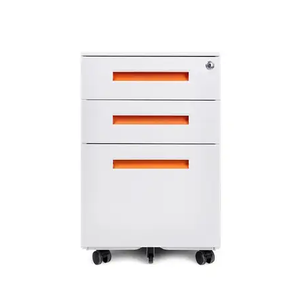
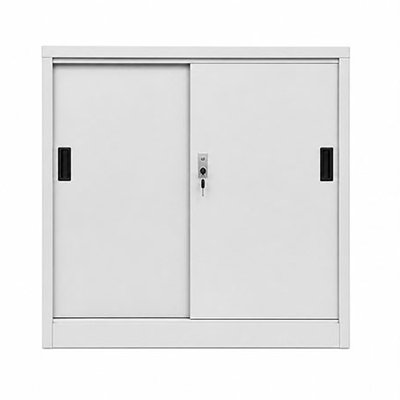
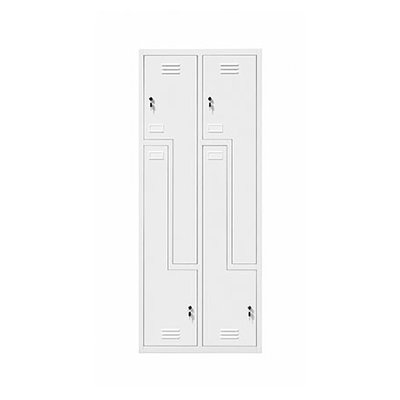
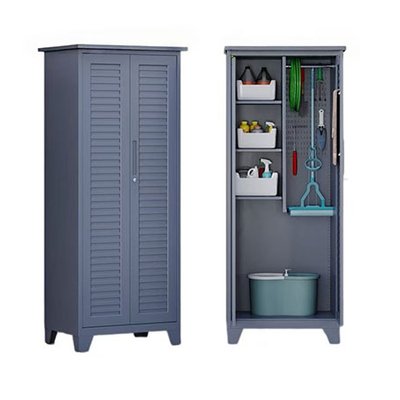
For steel office furniture, buyers should pay attention to structural stability, welding quality and the connections between components. A well-designed structure helps preserve structural integrity during daily use.
Surface finishing also deserves attention. Office furniture may be exposed to scratches, friction and regular cleaning. Appropriate surface treatment helps protect the steel and preserve its appearance over time.
Although products with better construction and finishing may involve higher upfront costs, they can offer greater lifecycle value by reducing the risk of premature damage and replacement.
3. Material and Manufacturing Quality
Material selection and manufacturing processes directly influence product quality. When comparing supplier quotations, buyers should evaluate more than appearance and price.
Cold-rolled steel is commonly used in office furniture manufacturing because of its surface quality and suitability for further processing. Buyers should also consider steel thickness and structural design.
Manufacturing processes such as cutting, bending, stamping and welding contribute to dimensional accuracy and product consistency. Inconsistent processing can affect component fitting, assembly and overall appearance.
Powder coating is widely used for steel furniture because it provides a protective finish and improves resistance to everyday wear. Consistency in the coating process influences both appearance and surface protection.
At Bestal, cold-rolled steel is used in production, with automated equipment supporting key processes such as cutting, bending, stamping and welding. A fully automated powder coating line helps achieve more uniform coating coverage and consistent finishes across production batches.
For bulk buyers, batch consistency is particularly important. Products within the same order should meet consistent quality and appearance expectations. Evaluating a supplier's materials and production processes gives buyers a clearer understanding of the value behind the quoted price.
4. Packaging and Transportation Considerations
Packaging can directly affect the total cost of an order. Office furniture may travel long distances before reaching distributors, retailers or end users. During transportation, products can be exposed to movement, pressure and accidental impact. Inadequate packaging increases the risk of scratches, dents and other forms of transit damage.
Buyers should assess whether the packaging is suitable for the product structure and transportation requirements. Carton strength, protective materials and the arrangement of components all influence product protection.
At Bestal, products are packed in five-layer cartons with corner and side protection to provide additional protection during handling and transportation. This helps reduce the risk of transit damage.
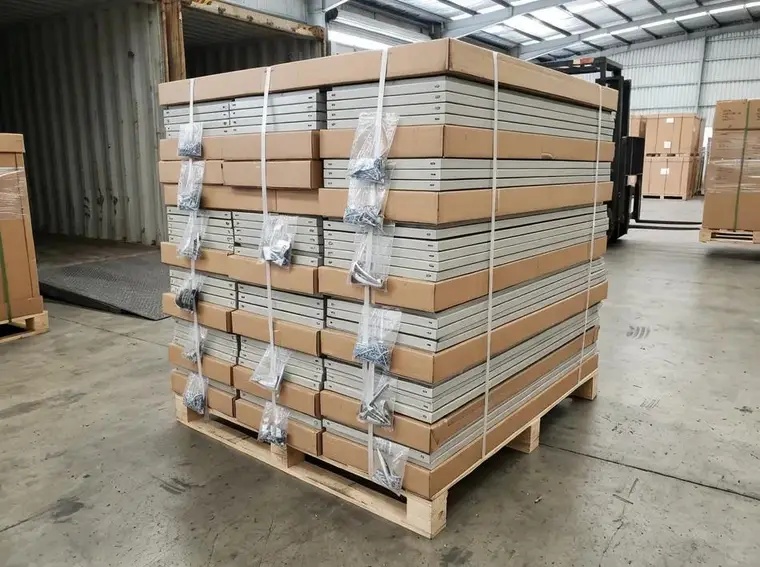
For bulk orders, package dimensions and loading arrangements also affect shipping efficiency. Buyers should confirm packaging details with suppliers in advance, especially when sourcing for overseas markets or e-commerce distribution.
5. Production Efficiency and Delivery Reliability
A competitive quotation is only valuable when the supplier can fulfill the order according to the agreed requirements. Production efficiency and delivery reliability are therefore important parts of procurement decisions.
For wholesalers and distributors, delayed shipments may disrupt inventory planning and product availability. For commercial fit-out projects, late delivery can affect installation schedules.
At Bestal, the usual production period is approximately 20–25 days. The actual timeline may vary depending on order quantity, product specifications and production schedules. Buyers should confirm the expected production timeline when discussing their orders.
Shipping costs are also subject to monthly changes. Buyers should confirm the latest freight charges before placing an order and consider both production and transportation timelines when planning procurement schedules.
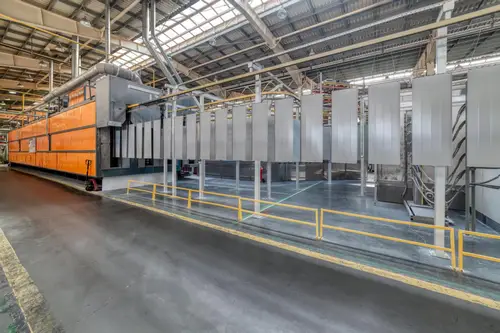
Automated equipment supports consistent processing and improves efficiency at key manufacturing stages. However, reliable delivery also depends on production planning, material preparation and order coordination. Clear communication about lead times and order progress makes procurement planning more manageable.
6. After-Sales Support and Long-Term Value
The lowest quotation does not always represent the most cost-effective choice. Buyers should compare upfront purchase costs with the potential expenses and lifecycle value associated with a product.
Warranty coverage and after-sales support are important considerations. At Bestal, products come with a five-year warranty, and damaged parts can be replaced free of charge in accordance with the applicable warranty terms. This provides buyers with additional support when handling product issues after delivery.
Different buyers have different priorities. Distributors may focus on competitive pricing, manageable order quantities and consistent supply, while project buyers may place greater emphasis on product specifications, appearance, warranty coverage and delivery schedules.
The objective is not always to choose the cheapest or most expensive option, but to balance product performance, purchasing budgets and actual market requirements.
7. Conclusion
Office furniture procurement involves more than comparing quotations. Product durability, material quality, manufacturing processes, packaging, delivery reliability and after-sales support all influence the total cost of an order.
For importers, wholesalers and commercial fit-out project buyers, evaluating these factors together provides a more complete picture of a product's lifecycle value. A well-informed purchasing decision should consider not only the upfront outlay but also how well the product meets practical requirements over time.
By looking beyond the unit price and working with suppliers that understand product quality, production requirements and after-sales support, buyers can make more balanced sourcing decisions and establish more reliable long-term supply relationships.