
A well-organized office needs storage that suits both its layout and daily workflow. The wrong cabinet can waste valuable floor space, leave documents difficult to sort, or provide drawers that do not fit the items being stored.
Mobile pedestals and drawer cabinets offer different ways to manage office storage. Mobile pedestals keep everyday essentials close at hand, while drawer cabinets come in various configurations for different filing and storage needs. Understanding these differences can help you choose the right option for your workplace.
1. What Is a Mobile Pedestal?
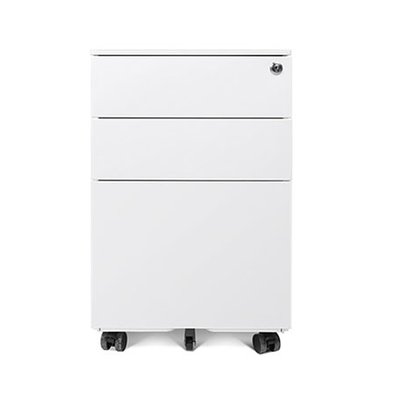
A mobile pedestal is a compact storage cabinet commonly placed beside or under an office desk. Its key advantage is mobility, allowing employees to keep frequently used items nearby and move the cabinet when needed.
Mobile pedestals are suitable for stationery, documents, notebooks, and personal belongings. By keeping these items in drawers, employees can reduce desktop clutter and maintain a more organized workspace.
They are particularly useful in offices where space is limited or workstations may need to be rearranged. However, the cabinet must fit comfortably within the available area. A unit that is too tall or wide may interfere with legroom or make access to the desk less convenient.
Before choosing a mobile pedestal, consider the space under your desk, the number of drawers you need, and the items you plan to store.
2. What Is a Drawer Cabinet?
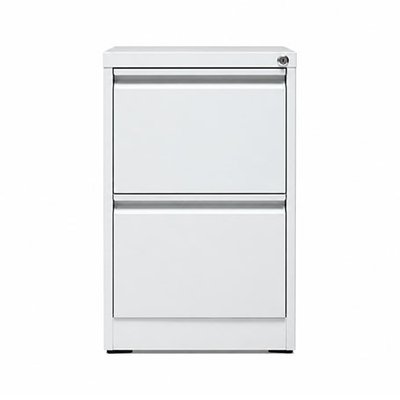
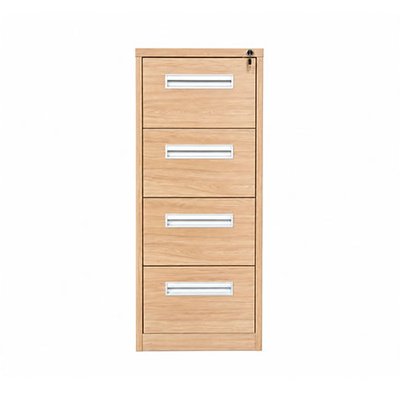
A drawer cabinet provides dedicated storage through multiple drawers. Depending on its configuration, it can accommodate office supplies, documents, and other materials that need to be kept separate.
Different drawer arrangements suit different needs:
① 2-drawer cabinets: Suitable for basic storage and a smaller number of item categories.
② 3-drawer cabinets: Provide more sections for separating documents, stationery, and other office supplies.
③ 4-drawer cabinets: Offer additional compartments for offices that handle more files or need a clearer filing system.
More drawers do not automatically mean a better choice. The usable space inside each drawer matters just as much as the total number. Consider the size and quantity of the items you need to store before selecting a configuration.
3. Mobile Pedestal vs. Drawer Cabinet: Key Differences
Both options provide drawer storage, but their designs suit different workplace needs.
Mobility and placement
A mobile pedestal works well beside or under a desk, especially when employees need quick access to everyday essentials. A drawer cabinet is worth considering when you need a dedicated storage unit for files, supplies, or classified materials.
Storage capacity and organization
Mobile pedestals are generally suited to compact, everyday storage. Drawer cabinets offer more configuration options, making it easier to select a layout for different volumes and categories of materials.
For example, an employee who mainly stores stationery and personal belongings may not need a large cabinet. An office that handles multiple types of records may benefit from additional drawers or a specialized filing unit.
Workspace requirements
A mobile pedestal can make efficient use of the area beside a workstation. A larger drawer cabinet needs a suitable location and enough clearance for its drawers to open fully.
When planning an office, consider how employees will access the cabinets throughout the day. Storage should be convenient without obstructing walkways or crowding the workspace.
Neither option is universally better. The right choice depends on what you need to store, how much space is available, and how the cabinet will be used.
4. How to Choose the Right Drawer Configuration
Choosing a cabinet based only on its appearance or number of drawers can lead to practical problems. A unit may have enough drawers overall but still lack the space needed for particular items.
Start with the items you need to store
Office supplies and personal belongings have different storage needs from large volumes of paperwork or classified records. Identify the main items first, then compare suitable cabinet types.
For everyday essentials at an individual workstation, a mobile pedestal may be sufficient. For more extensive filing needs, a drawer cabinet with a suitable configuration may be more practical.
Consider how many categories need to be separated
If employees handle several types of documents or supplies, additional drawers can make it easier to keep them separate. A two-drawer cabinet may suit simpler needs, while three- or four-drawer options provide more sections for classification.
However, drawer count should not be the only deciding factor. Check the internal dimensions to ensure each drawer can accommodate the intended contents.
Think about specialized filing needs
Some workplaces require more than general-purpose storage. Specialized drawer cabinets may suit businesses that organize cards or classified records. Before selecting a model, identify the materials being filed and the required storage capacity.
Measure the available space
A cabinet should provide enough room for its contents without making the office difficult to navigate. Measure the intended location and allow adequate clearance for opening drawers and moving around comfortably.
Matching the cabinet configuration to actual usage helps avoid unnecessary capacity and makes everyday filing more convenient.
5. What Should You Check Before Ordering?
Before confirming an order, review a few practical details to make sure the selected cabinet suits your office.
① Overall dimensions: Measure the installation area and confirm that the cabinet fits the intended location.
② Drawer configuration: Check the number and internal dimensions of the drawers against the items you plan to store.
③ Storage purpose: Make sure the cabinet suits everyday office supplies, documents, or specialized filing needs.
④ Placement and access: Allow enough room to open drawers without obstructing walkways or nearby furniture.
⑤ Quantity: Estimate the needs of individual employees or shared office areas before deciding how many units to purchase.
For businesses sourcing furniture for multiple workstations or an entire office, it is also worth considering how storage units will fit into the overall layout. Planning these details together can help create a more consistent and functional workspace. Checking these points before purchasing reduces the risk of choosing cabinets that do not fit the available space or meet employees' everyday needs
6. Conclusion
At Bestal Furniture, we provide office furniture and steel storage solutions for different workplace needs. By considering your workspace, filing requirements, and daily routines, you can choose storage that keeps essential items organized and makes better use of available space.
Frequently Asked Questions
Is a mobile pedestal better than a drawer cabinet?
Not necessarily. A mobile pedestal is useful for compact storage near a desk, while a drawer cabinet may be more suitable for larger filing needs or specific drawer configurations. The best option depends on your workspace and intended use.
How many drawers should an office cabinet have?
Consider the items being stored, the number of categories to separate, and the available space. Compare usable drawer dimensions rather than choosing based on drawer count alone.
What is a drawer cabinet used for?
A drawer cabinet is intended for storing and organizing documents, files, and classified records. The appropriate model depends on the materials being filed and the required capacity.