1. Introduction
Commercial spaces require furniture that can support daily operations, adapt to different working environments and maintain its performance over time. From office storage systems to industrial workstations and public facility furniture, material selection plays an important role in determining how well furniture meets these requirements.
Metal furniture remains a key choice across many commercial settings. Its structural strength, functional versatility and suitability for large-scale manufacturing make it a practical option for businesses, institutions and furniture suppliers. Advances in steel processing and automated production have also improved manufacturing consistency and surface finishing.
2. Why Metal Furniture Remains a Key Choice for Commercial Use
Structural Performance for Daily Use
Commercial furniture often experiences more frequent use than furniture in residential environments. Office storage cabinets may be opened and closed throughout the working day, while furniture in factories and public facilities may be exposed to heavier use and more demanding conditions.
Steel provides a strong structural foundation for furniture designed for these environments. Through careful material selection and structural engineering, manufacturers can develop products that balance load-bearing requirements, stability and practical functionality.
Reinforcement structures, connection methods and overall construction also influence how well a product performs during daily use. For buyers sourcing furniture for commercial projects, these details are important when assessing long-term suitability.
Functional Design Across Different Environments
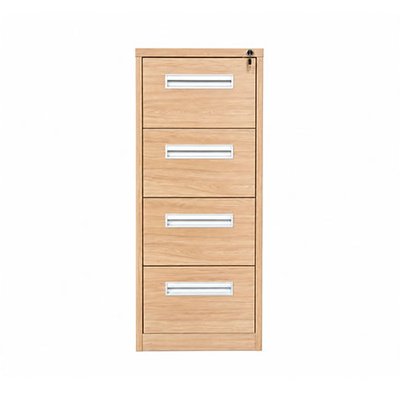
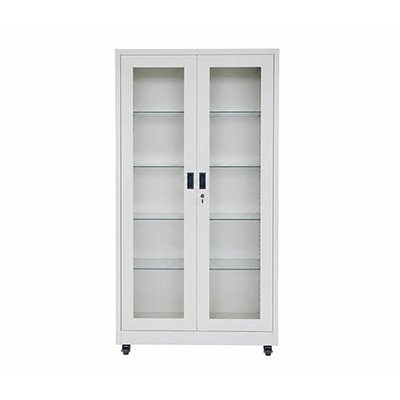
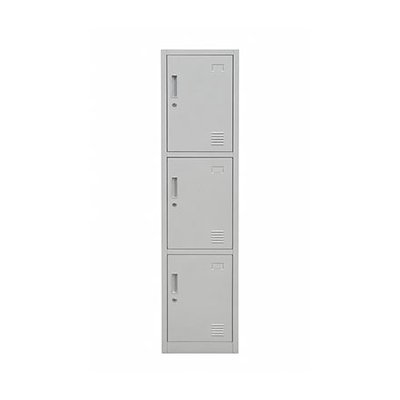
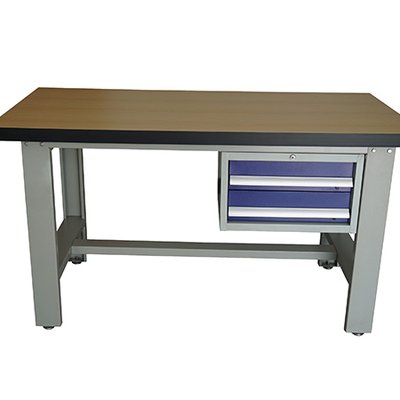
Metal furniture can be manufactured in a wide range of forms to meet different storage and workspace requirements. Filing cabinets, lockers, tool cabinets, workbenches and office desks are examples of products designed for specific commercial applications.
Their structures can be adapted to accommodate different storage capacities, access methods and workspace layouts. This flexibility allows suppliers and project buyers to select furniture based on operational needs rather than relying on a one-size-fits-all solution.
3. Applications of Metal Furniture in Commercial Spaces
The role of metal furniture varies according to the environment in which it is used. Understanding these differences helps buyers identify suitable product structures and performance requirements.
Offices and Administrative Environments
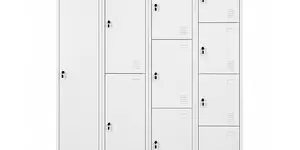
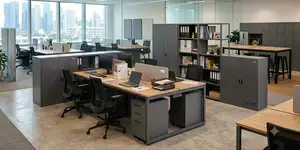
In offices, metal furniture is commonly used for document storage, personal belongings and workspace organization. Filing cabinets, mobile pedestals, lockers and steel office desks help create functional working environments.
For office furniture suppliers and project contractors, storage capacity, locking systems and space efficiency are important considerations. Furniture must fit the available layout while providing convenient access to frequently used documents and supplies.
Factories and Workshops
Industrial environments place different demands on furniture. Tool cabinets, workbenches and storage cabinets need to support regular handling and, depending on their application, heavier loads or more demanding working conditions.
Many buyers prioritise theft resistance, impact resistance and low maintenance when sourcing furniture for these environments. Cabinet construction, drawer mechanisms, surface protection and overall stability should therefore be considered alongside storage capacity.
Schools and Public Facilities
Schools, training centres, gyms and other public facilities often require furniture that can serve multiple users throughout the day. Steel lockers and storage cabinets provide designated spaces for personal belongings, equipment and shared supplies.
In these settings, buyers may focus on durability, ease of maintenance and practical access. The furniture should also suit the available space and the number of users it is expected to accommodate.
4. Cold-Rolled Steel: An Important Material in Metal Furniture Manufacturing
Material selection has a direct influence on the quality and performance of metal furniture. Cold-rolled steel is widely used in furniture manufacturing because of its relatively smooth surface and suitability for precision processing.
Its surface characteristics provide a good foundation for subsequent manufacturing operations and finishing treatments. It can be processed into different components and formed into structures required for cabinets, desks, lockers and other steel furniture products.
However, choosing the right material involves more than identifying the type of steel. Steel gauge should also be matched to the intended application and structural requirements. Different furniture products may require different material thicknesses depending on their size, construction and expected use.
For commercial buyers, understanding the material and construction behind a product provides a more useful basis for evaluating quality than appearance alone.
5. How Automated Manufacturing Supports Production Consistency
Automated manufacturing plays an important role in maintaining product quality and production consistency. At Bestal, automated equipment is used in key processes such as cutting, bending, stamping and welding, helping improve processing accuracy, production efficiency and consistency across batches.
Fully Automated Powder Coating
Powder coating provides a protective finish that improves surface durability and resistance to everyday wear.
At Bestal, a fully automated spraying line ensures more uniform coating coverage and consistent finishes across production batches. Combined with proper surface preparation and process control, this helps maintain a consistent appearance and reliable surface protection.
For commercial buyers, consistent finishing is particularly important when sourcing furniture in large quantities, as variations in colour and coating coverage can affect the overall presentation of a project.
6. Manufacturing Quality and Future Considerations
As commercial furniture requirements continue to evolve, manufacturers need to consider more than the basic function of a product. Material utilisation, production consistency and manufacturing efficiency are also important factors.
Careful material selection and appropriate structural engineering help manufacturers meet product requirements without relying on unnecessary material use. Meanwhile, automated production and controlled finishing processes can help reduce avoidable rework and improve the use of manufacturing resources.
These considerations are also connected to more efficient manufacturing practices. Reducing material waste, maintaining consistent production quality and improving process control can all contribute to more responsible resource use.
For furniture suppliers and commercial project buyers, working with manufacturers that pay attention to material quality and production processes can help reduce sourcing risks, particularly when purchasing products in larger quantities.
7. Frequently Asked Questions
Why is cold-rolled steel used in metal furniture manufacturing?
Cold-rolled steel has a relatively smooth surface and is suitable for precision processing. These characteristics make it a practical material for manufacturing cabinets, lockers, desks and other steel furniture products.
What types of metal furniture are commonly used in commercial spaces?
Common examples include filing cabinets, storage cabinets, lockers, mobile pedestals, tool cabinets, workbenches and steel office desks. The appropriate choice depends on the working environment and storage requirements.
What are the benefits of automated powder coating?
Automated powder coating helps achieve more uniform coverage and consistent finishing across production batches. It also provides a protective surface that helps improve resistance to everyday wear.
Why does manufacturing consistency matter to commercial buyers?
Commercial projects often involve multiple units that need to maintain a consistent appearance and quality. Stable manufacturing processes help reduce variations between products and support more reliable bulk supply.
8. Conclusion
Metal furniture continues to play an important role in modern commercial spaces because of its structural capabilities, functional versatility and suitability for different working environments. From offices and workshops to schools and public facilities, steel furniture provides practical solutions for storage and workspace organisation.
Material selection and manufacturing processes are equally important in determining product quality. The use of cold-rolled steel, combined with automated production and powder coating, helps manufacturers maintain consistent product standards.
At Bestal, we focus on steel furniture manufacturing for commercial and workplace applications, with attention to material selection, production consistency and surface finishing. We also support custom sizes, colours and OEM projects to meet different product and project requirements.