
In the modern corporate world, digital transformation has changed how we handle data, yet the physical organization of essential documents remains a cornerstone of office efficiency. A high-quality steel filing cabinet is more than just a storage box; it is an investment in your team’s workflow, document security, and workplace safety. Choosing the right one requires a deeper understanding of material science, ergonomics, and spatial planning. This guide will walk you through the essential factors to consider when selecting the perfect steel filing cabinet for your professional environment.
Assess Your Spatial Constraints: Vertical vs. Lateral
The first decision most buyers face is choosing between a vertical and a lateral configuration. This choice is largely dictated by the physical layout of your office.
Vertical filing cabinets are the traditional choice for smaller offices or individual workstations. They feature narrow drawers that extend deep into the room. Because they occupy minimal wall space, they are ideal for corners or narrow gaps between desks. However, you must ensure there is enough clearance for the drawers to pull out fully without obstructing walkways.
Lateral filing cabinets, on the other hand, are wider and shallower. These units can hold both letter and legal-sized documents and are often used as room dividers or placed against long walls. Because the drawers do not extend as far out as vertical models, they are often safer in high-traffic corridors. For businesses with high-volume filing needs, lateral cabinets generally offer more storage capacity per square foot of floor space.
Prioritize Material Quality and Steel Gauge
Not all steel cabinets are created equal. The durability of your cabinet depends heavily on the "gauge" of the steel used in its construction. In the world of metal fabrication, a lower gauge number indicates thicker, stronger steel.
For a busy office environment where drawers are opened and closed dozens of times a day, you should look for cabinets constructed from heavy-duty cold-rolled steel. A robust frame prevents the cabinet from warping over time under the weight of heavy files. Additionally, you should verify that the cabinet features a high-quality powder-coated finish. This electrostatically applied coating provides a much more durable surface than standard liquid paint, offering superior resistance to scratches, rust, and daily wear and tear.
Focus on Safety Features: The Anti-Tilt Mechanism
Safety is often an overlooked aspect of office furniture procurement, but it is critical for liability and employee well-being. A full drawer of paper can be incredibly heavy. If multiple drawers are opened simultaneously, the center of gravity shifts, and a poorly designed cabinet can tip forward, causing serious injury.
When you are browsing options, you must ensure the cabinet includes an interlocking anti-tilt mechanism. This safety feature ensures that only one drawer can be opened at a time. This simple mechanical constraint is the most effective way to prevent tipping accidents in the workplace.
Evaluate Security and Locking Systems
Data privacy is a paramount concern for any business. Whether you are storing HR records, financial statements, or sensitive client contracts, your filing cabinet must serve as a secure vault.
Most premium steel filing cabinets come equipped with a central locking system that secures all drawers with a single key. However, for higher security needs, you might consider cabinets with digital electronic locks or those that allow for individual drawer locking. Furthermore, you should check if the locking bars are internal and tamper-resistant, providing an extra layer of protection against unauthorized access.
Drawer Functionality and Weight Capacity
The "user experience" of a filing cabinet is defined by how smoothly the drawers operate. You should look for cabinets that utilize heavy-duty ball-bearing slides. These allow the drawers to glide effortlessly even when they are fully loaded with heavy files.
Furthermore, you should consider the "extension" of the drawers. Full-extension drawers allow you to access the files at the very back of the cabinet without straining your reach. Check the load capacity per drawer; a standard professional-grade drawer should comfortably support 30 to 45 kilograms (approximately 65 to 100 lbs) without sagging or sticking.
Aesthetic Integration and Customization
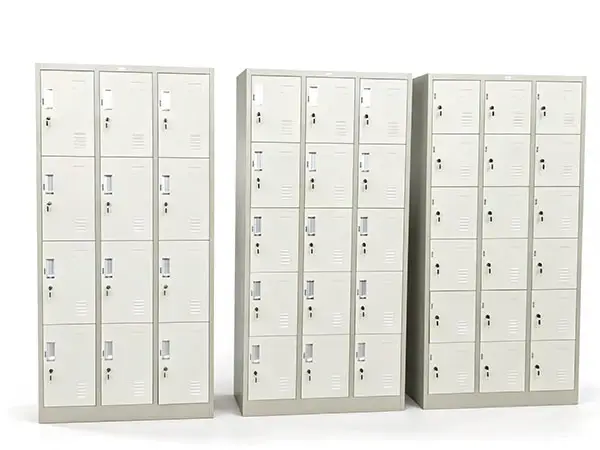
While functionality is king, the visual appeal of your office should not be ignored. A sleek, professional-looking steel cabinet can enhance the overall atmosphere of your workspace. Many modern manufacturers offer a variety of colors beyond the traditional "office grey." You can choose matte black, crisp white, or even custom brand colors to match your interior design. Some cabinets also offer customizable drawer fronts or built-in label holders to help your team maintain an organized filing system at a glance.
Conclusion
Choosing the right steel filing cabinet is a balance between understanding your current storage needs and anticipating your future growth. By focusing on the structural integrity of the steel, the safety of the locking and anti-tilt mechanisms, and the efficiency of the drawer design, you can ensure that your purchase provides value for years to come.
Investing in high-quality steel storage is not just about tidying up your paperwork; it is about creating a secure, organized, and professional foundation for your business operations. If you are ready to upgrade your office infrastructure, we invite you to explore our range of heavy-duty steel filing solutions designed for the modern workplace.