
Choosing steel lockers is not just about fitting as many compartments as possible into a room. A locker that looks suitable on paper may turn out to be too small for work clothes, inconvenient to access during busy periods, or poorly suited to the environment where it will be used.
These problems can affect factories, offices, schools, gyms, and other shared facilities in different ways. The right choice depends on what people need to store, how often they access their belongings, and how much space is available. Understanding these factors before ordering can help buyers avoid storage problems that are difficult or costly to correct later.
1. Identify Where and What Will Be Stored
Choosing lockers without considering what users need to store can lead to compartments that are too small or space that goes unused. A locker suitable for coats and backpacks may not fit work clothes, shoes, or sports bags.
Factories and changing rooms: Employees may need space for workwear, shoes, and personal belongings. Small compartments can make daily storage inconvenient, especially when work clothes need to be kept separate from personal items.
Offices and corporate workplaces: Coats, backpacks, and documents are common storage needs. Oversized lockers can waste valuable floor space and obstruct walkways.
Schools, gyms, and public facilities: Students and gym users may need space for bags, clothing, and shoes. When many people access lockers at once, compartments that are too small can cause delays and inconvenience.
Before choosing a locker, identify the items to be stored and estimate the number of users. This helps determine suitable compartment sizes and overall capacity.
2. Choose the Right Locker Size and Layout
More doors do not always mean better value. A locker with many small compartments may not provide enough room for bulky belongings.
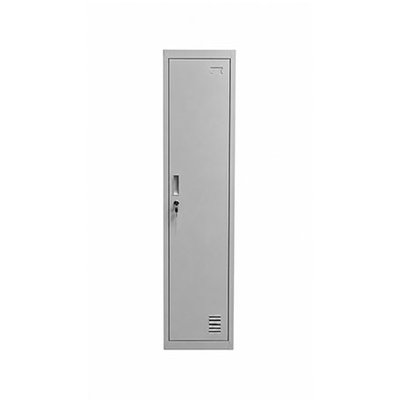
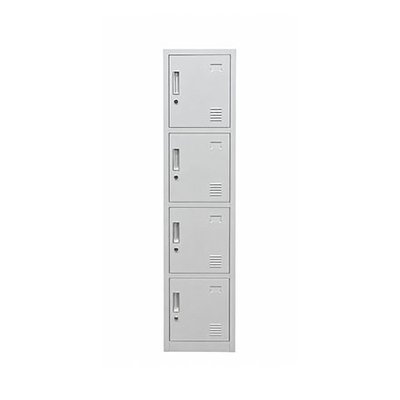
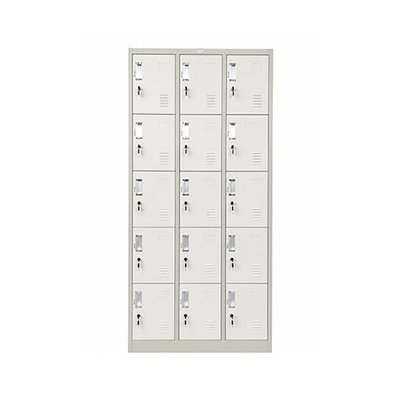
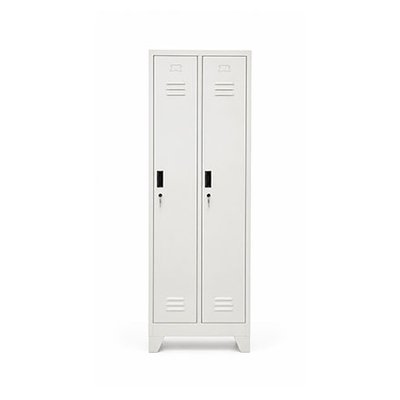
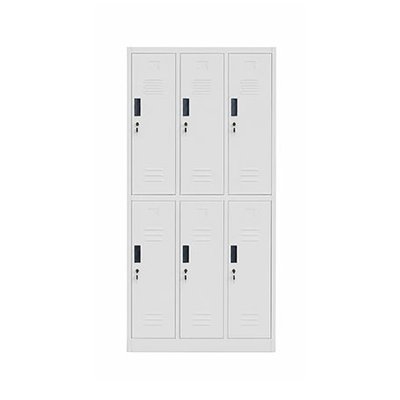
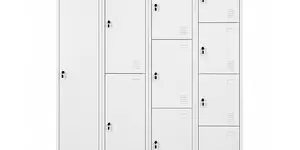
Single-compartment lockers can suit users who need more space for clothing and personal items. Multi-door lockers provide separate compartments for several users, making them useful where storage space is shared.
Before choosing a layout, check the internal compartment dimensions, not just the overall cabinet size or number of doors. Consider whether users can store their belongings comfortably, especially when several people need access at the same time.
3. Consider Door Design and Locking Options
A poorly planned locking system can create extra work for facility managers. Lost keys, unclear access arrangements, and difficult key handovers can become ongoing issues when many people use the lockers.
For workplaces with assigned lockers, consider how keys or access credentials will be managed. In schools, gyms, and other shared facilities, think about whether lockers will be assigned to individuals or used by different people throughout the day.
Door clearance also matters. If locker doors open directly into a narrow walkway, users may struggle to access their belongings without obstructing others.
Choose a locking arrangement that suits the users and management process, and make sure there is enough room for doors to open safely.
4. Plan Locker Placement and Available Space
Fitting more lockers into a room may seem like the best way to increase storage capacity, but overcrowding can make the space difficult to use. Doors may not open fully, walkways may become restricted, and several users may struggle to access their belongings at the same time.
In factories and employee changing rooms, consider the space employees need to approach their lockers, change clothes, and move through the area. A layout that looks efficient when the room is empty may become inconvenient when an entire shift arrives or leaves.
In offices, oversized lockers can take up space that would be better used for desks, meeting areas, or circulation. Choose a layout that provides enough storage without allowing personal belongings to dominate the available floor space.
Schools, gyms, and other public facilities may experience concentrated periods of use. If several users need to open lockers at the same time, narrow aisles and poorly positioned doors can cause bottlenecks.
Before finalizing the layout, check:
① Overall dimensions: Make sure the lockers fit the intended installation area.
② Door clearance: Allow enough space for doors to open fully.
③ Access and circulation: Keep walkways and frequently used areas clear.
④ Storage capacity: Confirm that the number and size of compartments meet actual needs.
⑤ Surrounding layout: Consider entrances, nearby furniture, and other obstacles.
A good layout balances storage capacity with ease of access. The goal is not to fill every available wall with lockers, but to make the storage area practical for the people who use it.
5. Check the Details Before Ordering
Small oversights can become difficult to fix after installation. Before confirming an order, review these key points:
① Dimensions and capacity: Make sure compartments can accommodate the intended items. Do not rely on door count or external dimensions alone.
② Material and finish: Consider the conditions where the lockers will be used. Workshops may involve frequent handling, dirt, or moisture, while damp changing areas require attention to moisture exposure and finish suitability.
③ Doors and locks: Confirm that the layout and locking arrangement suit the number of users and how access will be managed.
④ Quantity and placement: Measure the available area and leave sufficient space for doors to open and people to move around.
Reviewing these details before purchasing helps reduce the risk of choosing lockers that do not suit the space or daily usage.
6. Conclusion
At Bestal Furniture, we offer steel lockers for a range of workplace and shared-space needs.The right steel locker depends on more than the number of compartments it provides. By identifying what needs to be stored, choosing an appropriate locker layout, considering locking arrangements, and planning the installation area, buyers can make more informed decisions and reduce the risk of everyday storage problems.
Frequently Asked Questions
What should I consider when choosing steel lockers?
Start with the intended application, the items to be stored, the number of users, and the available space. Then compare compartment dimensions, door layouts, locking options, and the product's suitability for the surrounding environment.
Are single-compartment lockers better than multi-door lockers?
Neither option is always better. Single-compartment lockers may suit users who need more room for individual belongings, while multi-door lockers provide separate storage spaces for several users within a shared cabinet. The right choice depends on the size of the items being stored and how the lockers will be used.
What type of locker is suitable for employee changing rooms?
Consider the number of employees, the size of their work clothes and personal belongings, and the layout of the changing area. Compartment size, access, and the need to separate different items can all affect the choice.
What should businesses consider when installing office lockers?
Consider what employees need to store, how often they access their belongings, and where the lockers will be placed. Oversized units may take up unnecessary floor space, while compartments that are too small may not accommodate everyday items comfortably.
Are steel lockers suitable for schools and gyms?
Steel lockers can be suitable for schools, gyms, and other shared facilities. Buyers should consider the intended users, compartment sizes, locking arrangements, frequency of use, and environmental conditions. In areas exposed to moisture, the product finish and installation environment deserve particular attention.