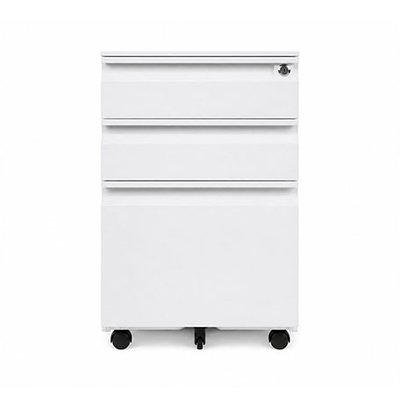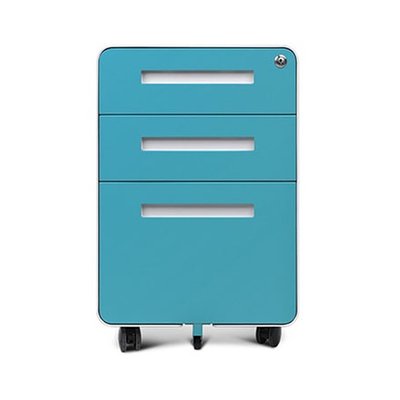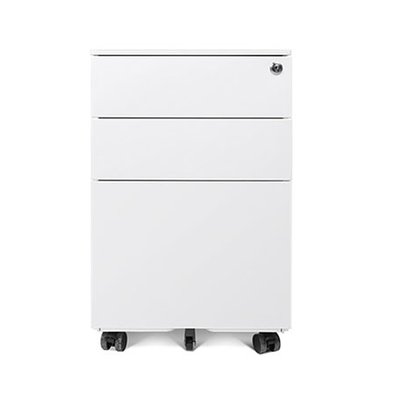

Mobile pedestals are a common part of modern office furniture collections. Usually placed beside or underneath desks, they provide convenient storage for documents, stationery, and personal office essentials. For furniture distributors, wholesalers, and project buyers, however, choosing the right mobile pedestal involves more than selecting a cabinet with a certain number of drawers.
Different drawer configurations, handle designs, cabinet structures, and technical features can influence how a product fits into an office furniture collection. Understanding these differences helps buyers select suitable models for their target customers and projects.
1. Understanding Different Mobile Pedestal Designs
Although mobile pedestals share a similar purpose, their designs can vary considerably. Buyers should consider the overall configuration rather than focusing on a single feature.
Drawer configurations
Two-drawer and three-drawer mobile pedestals are common options in office furniture collections. Different configurations provide buyers with flexibility when matching storage products to desk designs and user preferences.
A two-drawer model offers a straightforward storage arrangement, while a three-drawer model provides additional compartments for separating different office essentials. The choice should depend on the intended application, available space, and the storage preferences of end users.
Handle styles
Handle design is another visible difference across mobile pedestal models. Depending on the product, options may include side-pull handles, gooseneck handles, and other handle designs.
These details influence the cabinet's overall appearance and how it coordinates with different office furniture styles. For distributors, offering a selection of handle designs can add variety to a product range without changing the basic purpose of the cabinet.
Cabinet shapes and appearance
Traditional mobile pedestals generally feature clean, straight lines that coordinate with conventional office desks and workstations. Some models also incorporate rounded corners or softer exterior lines, offering an alternative appearance for buyers with different design preferences.
When building an office furniture collection, it is worth considering how the cabinet's shape, handle style, and drawer configuration work together. A consistent appearance across desks, pedestals, and other storage furniture can help create a more coordinated workspace.
2. Why Drawer Structure and Safety Features Matter
Beyond the exterior design, the internal structure of a mobile pedestal deserves attention during product selection.
One important feature to consider is the drawer interlocking mechanism. This mechanism prevents multiple drawers from being opened at the same time. When one drawer is pulled open, the others remain locked in position.
This design helps maintain cabinet stability during use and reduces the risk associated with several fully extended drawers. It is particularly relevant for office environments where mobile pedestals are used regularly throughout the working day.
For buyers sourcing mobile pedestals in larger quantities, drawer construction should also be reviewed. Consider the smoothness of drawer operation, the quality of the sliding components, and whether the structure is suitable for the intended daily use.
These details may not be immediately visible in product photographs, but they can make a meaningful difference to the user experience and overall product quality.
3. Common Applications of Mobile Pedestals
Mobile pedestals are widely used in different office environments where convenient, accessible storage is needed. Their compact structure and mobile design make them suitable for a variety of workplace settings.
Common applications include:
① Corporate offices: Placed beside or underneath desks to store documents, stationery, and personal work essentials.
② Administrative departments: Used to keep frequently accessed files and office supplies organized and within reach.
③ Shared workspaces: Provide individual storage for employees while allowing cabinets to be repositioned when workspace layouts change.
④ Meeting rooms: Offer additional storage for stationery, documents, and other materials needed during meetings.
⑤ Educational and training offices: Help organize teaching materials, administrative documents, and everyday office supplies.
For office furniture suppliers and project buyers, understanding these applications can help determine which mobile pedestal configurations and designs are most suitable for different workplace requirements.
4. What Should Buyers Check Before Sourcing Mobile Pedestals?
For distributors, wholesalers, and project purchasers, product selection should involve a closer review of construction and specifications. The following factors can help guide the sourcing process.
Drawer configuration and construction
Check the number of drawers, their structure, and the type of sliding components used. Drawer operation should be suitable for the expected frequency of use. If the product includes an interlocking mechanism, confirm how it works and whether it meets the intended application requirements.
Locking system
Security requirements can vary between workplaces. Buyers should check which drawers are lockable, how the locking system operates, and whether the configuration suits the needs of end users.
Casters and mobility
Casters allow mobile pedestals to be repositioned around the workspace. When evaluating a product, consider caster construction, movement, and suitability for the flooring and working environment where the cabinet will be used.
Steel material and thickness
The steel material and its thickness are important factors when evaluating cabinet construction. Buyers should review the material specifications and assess whether they are appropriate for the product's intended use and quality requirements.
Surface finish
Surface treatment affects both the appearance and durability of a steel mobile pedestal. Confirm the coating type, color options, and finish requirements when comparing suppliers or preparing a project order.
Overall dimensions and compatibility
A mobile pedestal may be placed beside or underneath a desk, so its dimensions should be checked against the available space. For office furniture projects, compatibility with the selected desk models is especially important.
Reviewing these specifications before ordering can help buyers avoid mismatches between product expectations and actual project requirements.
5. Building a More Versatile Mobile Pedestal Product Range
For office furniture distributors and retailers, offering only one mobile pedestal design may not address the preferences of every customer.
A more versatile collection can include different drawer configurations, handle styles, and cabinet appearances. Some buyers may prioritize conventional designs for commercial office projects, while others may look for alternative shapes to complement more contemporary workspaces.
Product variety also allows distributors to serve different price points and purchasing requirements, depending on the specifications and configurations available.
Rather than selecting models based on appearance alone, buyers should evaluate how each design fits into their existing furniture range and target market. A well-planned selection can make it easier to provide suitable storage options for different office environments.
6. Conclusion
Choosing the right mobile pedestal involves more than comparing drawer numbers or exterior designs. Drawer construction, interlocking mechanisms, locking systems, casters, steel specifications, and surface finishes all deserve attention during the purchasing process.
For office furniture distributors, wholesalers, and project buyers, a product range with different configurations and designs can provide greater flexibility when serving different customers.
Bestal Furniture offers a range of mobile cabinet designs for office storage applications. Contact us to explore the available models and discuss your product specifications and sourcing requirements.