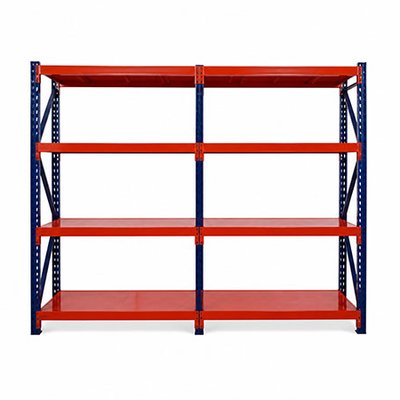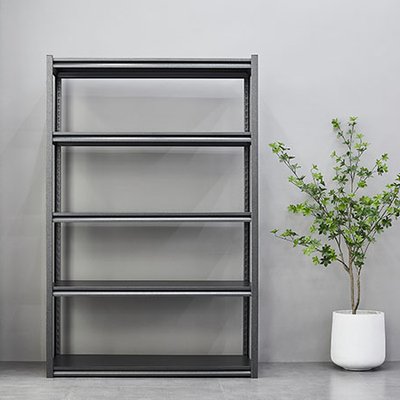

When choosing steel racks for a warehouse, stockroom, garage, or commercial storage area, the connection method is an important factor to consider.
Two common options are boltless steel racks and bolted steel racks. Both can provide practical and reliable storage when properly designed and manufactured, but they differ in how they are assembled, how easily shelves can be repositioned, and how they fit different storage requirements.
For buyers, the question is not simply which type is better. The more useful question is: Which rack structure fits your storage needs?
1. Understanding Boltless and Bolted Steel Racks
Before comparing the two systems, it is useful to understand how each one is constructed.
① What Is a Boltless Steel Rack?
Boltless steel racks use connection systems such as rivets, slots, clips, or other interlocking components instead of conventional nuts and bolts.
The beams and uprights are connected through designed connection points. Depending on the specific rack design, assembly may require only simple tools or no conventional fastening tools.
One of the main characteristics of a boltless rack is its flexibility. Shelf levels can generally be repositioned without repeatedly removing and reinstalling multiple bolts. This can be useful when storage requirements change over time.
Boltless racks can be used in warehouses, stockrooms, garages, workshops, and other spaces where convenient assembly and flexible storage arrangements are important.
② What Is a Bolted Steel Rack?
Bolted steel racks use bolts, nuts, connecting plates, or other fastening components to join the rack structure together.
During installation, the components are aligned at the connection points and secured with the appropriate hardware. This is a conventional fastening method that many installers are already familiar with.
A bolted structure can be a practical choice for storage areas where the rack layout is expected to remain relatively stable. Once assembled, the rack provides a conventional mechanically fastened structure for long-term use.
Bolted racks can also be adjusted when needed. However, changing shelf positions normally requires the relevant hardware to be loosened and fastened again.
- Assembly: How Do They Differ?
Assembly is one of the most noticeable differences between boltless and bolted racks.
① With a boltless rack, beams and other components connect through the designed slots, rivets, clips, or interlocking structures. With fewer individual fastening steps, the assembly process can be more straightforward.
② With a bolted rack, the connection points need to be aligned and secured with bolts and nuts. The hardware must then be properly tightened to complete the assembly.
This difference can become more relevant when a project involves multiple rack units.
If simple assembly is an important consideration, a boltless system may offer greater convenience. On the other hand, a bolted system uses a conventional fastening method that can be familiar to installation teams and suitable for projects where the rack structure will be assembled and left in place. The actual installation process depends on the rack design and the manufacturer's instructions.
3. Shelf Adjustment and Storage Flexibility
Shelf arrangement is another important consideration, especially when a rack needs to store products or materials of different sizes.
① Boltless Racks
Many boltless rack systems allow shelf levels to be repositioned by disengaging the beam from the upright and placing it at another height. This makes it easier to adapt the available vertical space when the size or type of stored items changes.
For example, a stockroom may initially use a rack for small cartons and later need more space for larger boxes. Being able to reposition the shelves can help make better use of the available storage space.
② Bolted Racks
Bolted racks can also accommodate different shelf arrangements. However, changing a shelf position generally requires the relevant bolts to be loosened before the shelf can be moved and then secured again.
For a storage layout that rarely changes, this may not be a major consideration. If shelf positions are expected to change frequently, a boltless structure may provide a more convenient way to adapt the rack.
4. Stability and Load Capacity
Stability and load capacity are important when selecting any steel rack, but the connection method should not be considered the only factor determining rack performance.
Both boltless and bolted steel racks can be designed for stable and reliable storage. Their actual load-bearing performance depends on the overall rack structure and specifications.
Important factors can include:
- Steel thicknes
- Upright design and profile
- Beam design and profile
- Shelf material and dimensions
- Rack size
- Bracing and reinforcement
- Load distribution
- Overall structural design
For this reason, buyers should check the manufacturer's specifications for the actual load capacity of the rack they are considering. A rack intended for heavy-duty storage may require different structural specifications from one designed for lighter stockroom or office storage. The connection method is therefore only one part of the overall performance of a steel rack.
5. Cost and Long-Term Considerations
Price is another factor buyers may consider, but it is difficult to determine the cost of a rack based only on whether it is boltless or bolted.
The final price can depend on factors such as:
- Rack dimensions
- Steel thickness
- Shelf material
- Structural design
- Load requirements
- Quantity
- Customization
- Packaging and shipping requirements
Installation and future storage changes can also affect the overall value of a rack system. For example, if a storage area is likely to be reorganized regularly, easier shelf adjustment may provide practical value over time. If the layout is expected to remain stable, the flexibility of frequent adjustment may be less important.
Instead of comparing only the purchase price, buyers should consider the rack's intended use and the requirements of the entire project.
6. Which Type Fits Your Storage Needs?
There is no single rack structure that is suitable for every storage application. The right choice depends on how you plan to install and use the rack.
① A Boltless Steel Rack May Be Suitable If You:
Want a more straightforward assembly process.
Expect to change shelf positions.
Store items with different heights.
Need flexible use of vertical storage space.
Expect your inventory or storage layout to change over time.
② A Bolted Steel Rack May Be Suitable If You:
Prefer a conventional fastening structure.
Have a relatively stable storage layout.
Do not need to reposition shelves frequently.
Are working with an installation team familiar with bolted structures.
Expect the rack to remain in a similar arrangement for long-term use.
These points are not strict rules. Both types of racks can be used across different commercial and industrial storage applications. The final choice should be based on the specific rack design, load requirements, available space, installation conditions, and expected use.
7. What Should You Consider Before Buying?
Before choosing between a boltless and bolted steel rack, consider the following questions:
- What will you store?
Consider the size, weight, and type of the items that will be placed on the rack.
- How often will the storage layout change?
If inventory changes frequently, adjustable shelf positions may be more important.
- Who will install the racks?
Consider whether your installation team prefers a conventional bolted structure or a simpler connection system.
- What load capacity do you need?
Always check the manufacturer's specifications rather than judging capacity based only on the connection method.
- How much flexibility will you need in the future?
Think beyond your current storage arrangement. If your inventory or storage requirements are likely to change, a flexible rack system may provide greater convenience over time.
8. Conclusion
Boltless and bolted steel racks use different connection methods, but both can be effective storage solutions when the rack is properly designed for its intended application.
Boltless racks can be a practical choice when simpler assembly, convenient shelf adjustment, and flexible storage arrangements are important.
Bolted racks can be a practical choice when a conventional fastening structure, a stable storage layout, and familiar installation methods are preferred.
The right choice depends on your storage requirements rather than the connection method alone. Consider your inventory, load requirements, installation conditions, storage layout, and future needs before making a decision.
At Bestal Furniture, we provide steel storage solutions for different commercial and industrial applications. If you are looking for steel racks based on specific dimensions, load requirements, shelf arrangements, or other project requirements, contact us to discuss your needs and available options.